Rules, Mercy and the Public Library
Cities are tightening enforcement at libraries, parks and encampments. The fight is less about whether to have rules than about what comes with them.
By Evelyn Shaw, Constitution Explained
Published · 3 min read

The Overview
The facts, straight
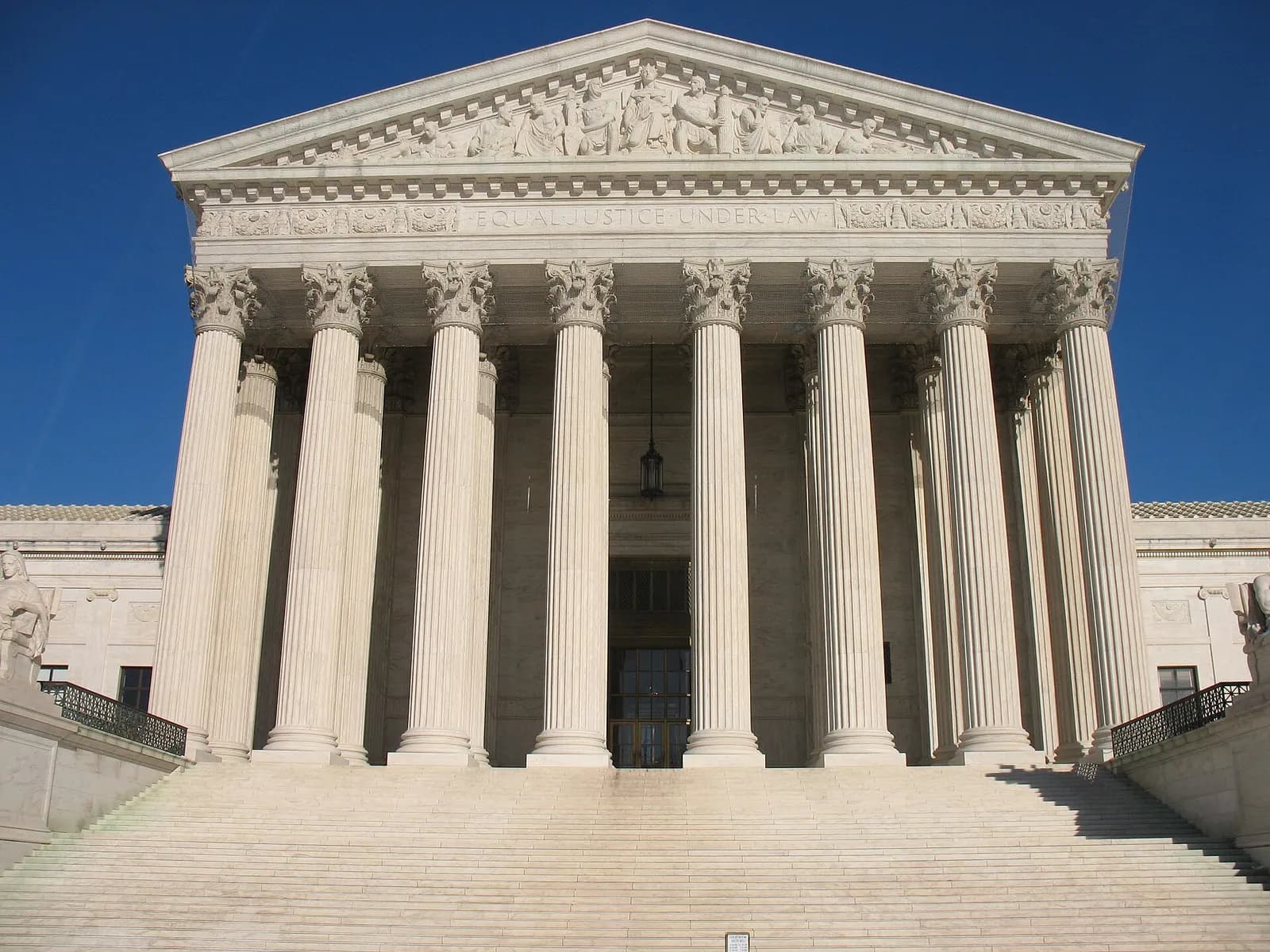
The holding in one sentence: in City of Grants Pass v. Johnson, decided June 28, 2024, the Supreme Court ruled 6-3 that enforcing general anti-camping laws on public property does not violate the Eighth Amendment's ban on cruel and unusual punishment.
That ruling gave cities more room to enforce rules in parks, sidewalks and plazas. Two years later, a debate trending on X asks the next question: once a city can enforce, should it, and how?
San Diego offers a close look. In late August, the city's police Neighborhood Policing Division began a four-week, early-morning push to clear encampments around the Central Library and then clean the sidewalks, according to records obtained by Times of San Diego. "We have been experiencing significant issues in this area involving drug paraphernalia, human waste, and other similar conditions," the city's environmental services director wrote in an Aug. 18 email.
Inside, librarians have stepped up too. Suspensions of patrons rose from 262 the prior year to 445 in 2025, city data shows. Budget cuts, meanwhile, reduced security at the building. "We had to reduce security by three guards at Central," the library director wrote.
What the Left Says
The progressive and Democratic case
Many progressives and homeless advocates see enforcement without housing as moving people from one block to the next. Justice Sonia Sotomayor's dissent in Grants Pass opened with the line they quote most: "Sleep is a biological necessity, not a crime. For some people, sleeping outside is their only option."
From this view, a library is often the last public place where a person without a home can sit indoors, use a restroom or get online to look for work. Suspensions and sweeps, critics say, can push people away from the services that might help them. They favor outreach, shelter offers and housing first, with enforcement as a last resort.
Where Reality Likely Sits
Radio Purple's analysis
The San Diego resident who wrote that second email may have described the middle better than either camp. Homelessness is not solved by enforcement alone. A library is also not a shelter, and it cannot serve anyone, housed or not, if people are afraid to walk in.
There is common ground in the details. Even the residents pleading for a crackdown wrote that enforcement alone is not enough. And the advocates' case is not that a library should have no rules. Clear rules on drugs and violence, paired with real shelter and treatment offers when someone is moved along, is a position both sides can recognize. The hard part is paying for both at once. San Diego is enforcing more while cutting library security, which is the kind of mismatch that makes each side's worst fears come true.
Grants Pass did not tell cities what to do. It told them the choice is theirs. That puts the question where it probably belongs: at city council meetings, with budgets attached. Rules and mercy are not opposites. A city that wants both has to fund both.
What the Right Says
The conservative and Republican case
Many conservatives, and plenty of moderates and city officials, say public spaces belong to everyone, and that rules protect the people who use them, including children. The Central Library houses a charter high school.
The residents' emails Times of San Diego obtained make that case in their own words. "Many neighbors are now afraid to use the library or even walk around it," one wrote. Another said: "I understand that homelessness and addiction are complex issues and require more than enforcement alone. But that cannot mean allowing this important public facility to become routinely unsafe and unsanitary."
Justice Neil Gorsuch, writing for the majority, said the question belonged to elected officials, not federal judges. "Homelessness is complex. Its causes are many. So may be the public policy responses required to address it."
Sources & Citations
- Supreme Court of the United States, “City of Grants Pass v. Johnson, No. 23-175”, June 28, 2024.
- Times of San Diego, “City launches enforcement crackdown to clean up Central Library encampments, drug activity”, September 3, 2026.
Positions above are attributed to the public statements and published reporting cited here. Quotations are taken from these sources; Radio Purple does not publish unattributed or invented quotes. See an error? Request a correction.