Stuck at $4.33
Gas prices barely moved this week, and they are more than $1.25 a gallon higher than a year ago. Who's to blame, and what could actually bring them down?
The Overview
The facts, straight
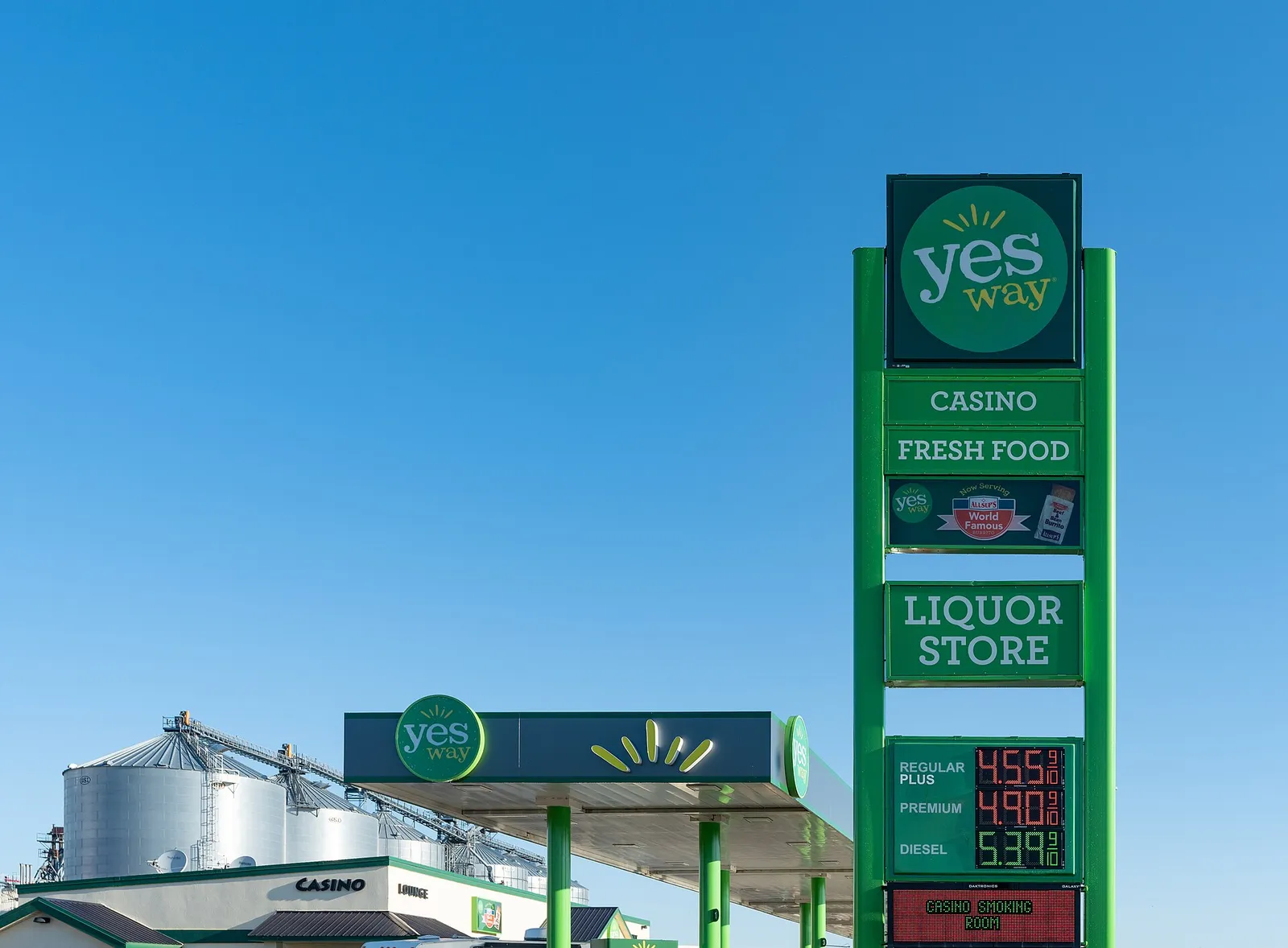
The national average for regular gas was $4.3344 on Oct. 15, down from $4.3612 a week earlier but up from $3.0674 a year earlier, AAA (@AAAnews) reported in its weekly update, "Gas Prices Not Budging Much as Crude Oil Remains High." That is a jump of about $1.27 a gallon in a year. AAA's daily average on Oct. 16 was about $4.33.
What the Left Says
The progressive and Democratic case
Democrats blame the president's war with Iran. "Everyone knows it's Trump and his disastrous war with Iran that are driving up prices at the pump," Senate Democratic Leader Chuck Schumer (@SenSchumer) said on the Senate floor in September. "If gas prices will plunge when the war ends, end it," he said. Sen. Bernie Sanders (@SenSanders) put it more bluntly on X: "The answer is obvious: Trump's illegal war in Iran," he posted on Oct. 6. In California, Democratic ads now tie Republican candidates to the war and to tariffs, Politico reported.
Where Reality Likely Sits
Radio Purple's analysis
Both sides are pointing at something real. AAA's own headline says crude oil remains high, and pump prices follow crude; the war and the global market move that number more than any one policy. The administration has taken steps, mostly on diesel, and Democrats are right that drivers have not felt much relief yet. Neither party can change much before Election Day. What voters can judge is each side's plan for the next two years.
Who do you blame for $4.33 gas?
What the Right Says
The conservative and Republican case
The administration says it is acting and that Democrats share the blame. Energy Secretary Chris Wright (@SecretaryWright) told CBS's "Face the Nation" on Oct. 4 that U.S. gasoline production is at a record high and that prices "have been going down. I expect that to continue." He blamed refinery closures in California and "15 years of Democrat policies that have been energy subtraction," according to the CBS transcript. On Oct. 5, Trump signed an executive order deferring the federal diesel excise tax through year's end, which the White House says could save drivers up to $100 per fill. Trump has called higher fuel costs from the conflict a "small price to pay" to protect the country from Iran, as he told a rally in Grand Island, Nebraska on Oct. 5.