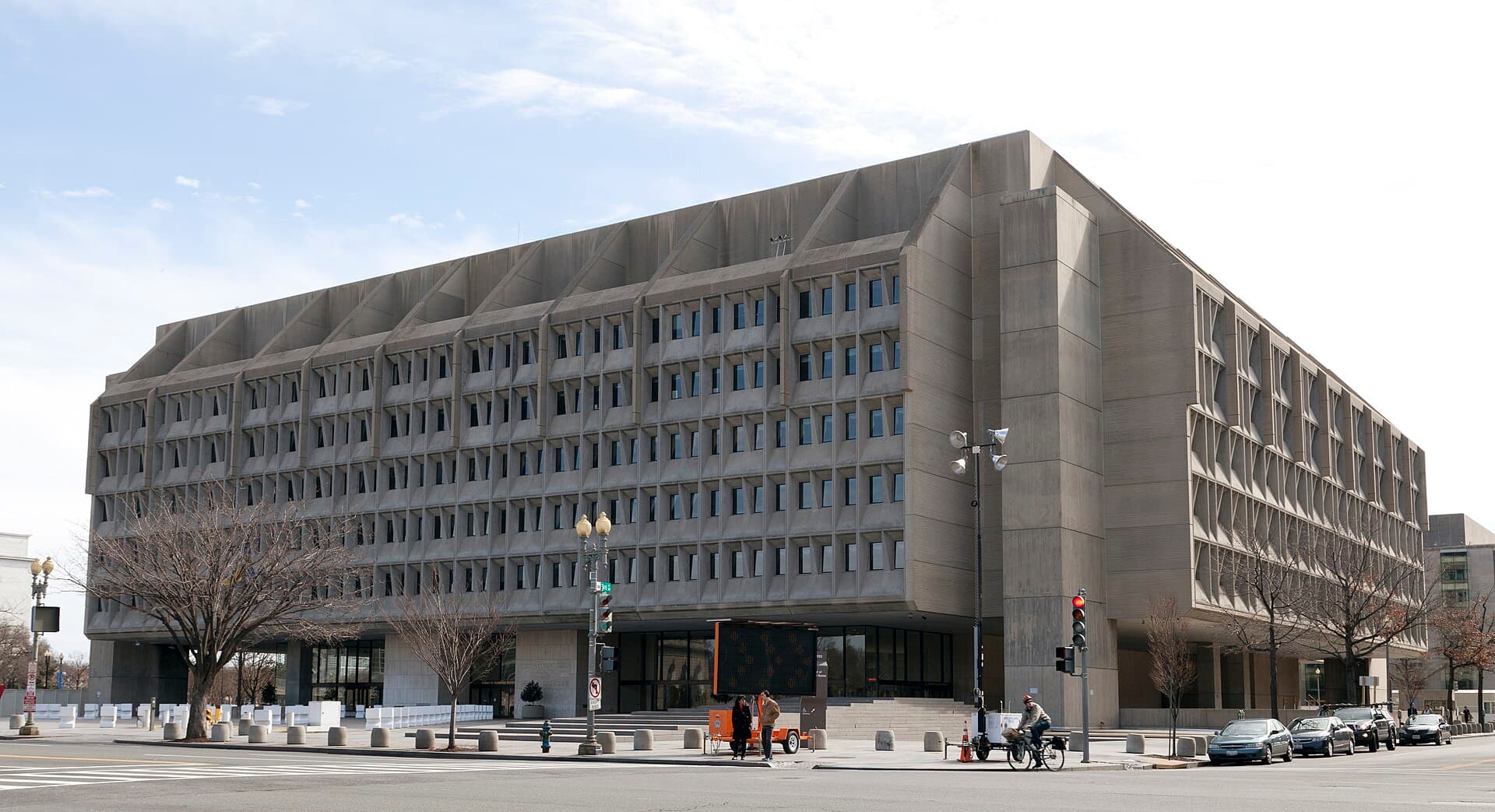
Census Plan Would Count Only Citizens and Green-Card Holders for House Seats. Comments Close Nov. 2.
A Commerce Department proposal for the 2030 census would leave every noncitizen without a green card out of the count used to divide House seats among the states, and would drop race, ethnicity and sexual-orientation questions from the census form. Forty-five House Republicans now want it to go further and leave out green-card holders too. Here is what the rule says, who is fighting it, and what happens after the public comment window closes Monday.
By Evelyn Shaw, Constitution Explained
Published · 7 min read
The Overview
The facts, straight
What's proposed. The Census Bureau wants to write two new sets of rules into federal regulations for the 2030 census. The Commerce Department published the proposal on Sept. 10, signed by Commerce Secretary Howard Lutnick. The public comment period, first set to end Oct. 13, was extended to Monday, Nov. 2. Comments go to docket USBC-2026-0628 on Regulations.gov, which lists the deadline as 11:59 p.m. Eastern on Monday. As of Sunday, more than 139,000 comments had been posted there, according to the Federal Register's tracking of the docket.
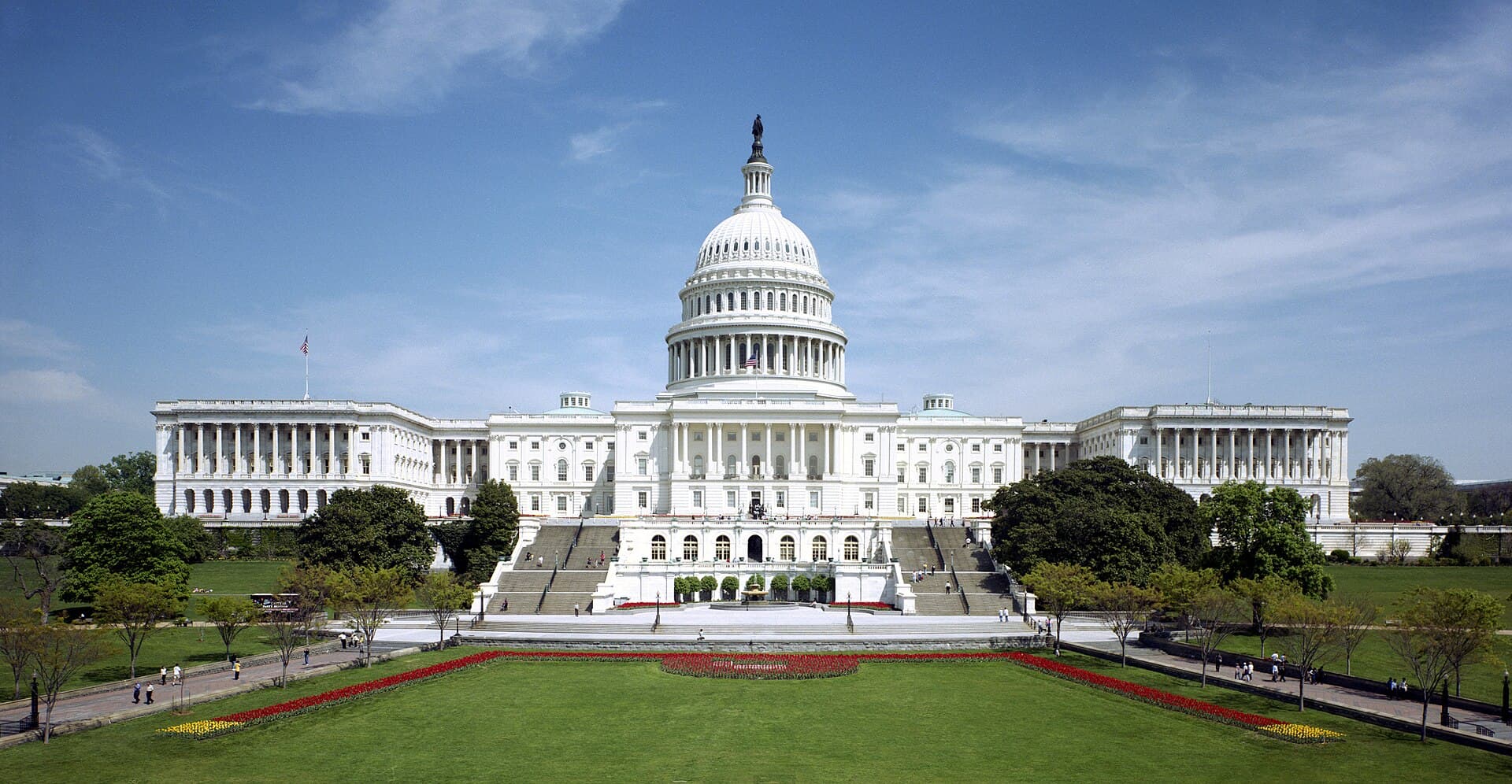
The census matters because it decides how the 435 House seats, and with them Electoral College votes, are divided among the states. The Constitution's Fourteenth Amendment says seats are apportioned "counting the whole number of persons in each State, excluding Indians not taxed."
Who would be counted for House seats. Under the proposed text (PDF), foreign citizens "who are also either citizens or lawful permanent residents of the United States" as of April 1, 2030, are counted. For "all other citizens of foreign countries," the rule says: "Not counted for apportionment." That would leave out people in the country illegally. It would also leave out people here legally without green cards, such as visa holders. The National Association of Counties lists people with DACA, Temporary Protected Status and pending asylum cases among them.
The Bureau's reasoning: it "has preliminarily determined that, under the best reading of the Constitutional mandate, illegal aliens (among others) should not be included in the apportionment count, as they are not true inhabitants, members of the body politic, or persons with a 'usual residence' in the United States due to their lack of a sufficient tie and allegiance to the United States." It says that, in the alternative, the exclusion is within its discretion under the Census Act and the Supreme Court's 1992 Franklin v. Massachusetts decision.
That is a change. The Bureau's own notice says the 2020 rules counted foreign citizens "living in" the U.S. where they live and sleep most of the time, with no difference between those here legally and illegally.
A new test for where you live. The rule would define a person's "usual residence" as the home where they "lawfully spent the greatest number of days" between Jan. 3 and April 1 of the census year. Spending "at least one hour" there counts as a day. Your address "should be consistent with, and evidenced by, their tax records (e.g., tax returns, W-2 forms)." The Bureau says it would use its "enormously broad access to administrative records," from Treasury, Homeland Security, State, Health and Human Services, the Postal Service and others, to sort people by legal status. It also "welcomes comments" on adding a legal-status question to the census form. It has not proposed one.
Fewer questions on the form. The second part says: "No question about race, ethnicity, or sexual orientation shall appear on the short form decennial census questionnaire." Questions on biological sex, date of birth and household relationships would stay. The Bureau could still ask about race and ethnicity on the American Community Survey and other surveys. It says fewer questions mean higher response rates and less privacy risk.
Pressure from both directions. Democratic attorneys general and the Catholic bishops want the rule withdrawn. On Oct. 30, 45 House Republicans, led by Rep. Mary Miller (R-Ill.), wrote to Lutnick backing it and asking him to go further.
What's next. After comments close, the Bureau can finalize, change or drop the rule. A final rule would almost certainly be challenged in court.
What the Left Says
The progressive and Democratic case
Democratic officials, immigrant advocates and some religious groups say the Constitution settles this. "The Constitution is clear. Every person living in the United States, regardless of immigration status, must be counted in the census," New York Attorney General Letitia James posted the day the rule went public:
Post: New York Attorney General Letitia James (@NewYorkStateAG) on X, Sept. 9, 2026.
James led the states that sued over a similar Trump order in 2020. "If this administration wants to go for round two, we are prepared to win again," she said at an Oct. 1 rally, according to amNewYork. She also said that "omitting race and ethnicity data would undermine our ability to enforce the Voting Rights Act and other civil rights laws." City Council Speaker Julie Menin noted that New York lost a House seat after 2020 by 89 people, amNewYork reported.
The U.S. Conference of Catholic Bishops, which takes conservative positions on issues such as abortion, asked the Bureau to withdraw the whole proposal in an Oct. 22 comment. The bishops wrote that it conflicts "with our fundamental belief in the equal dignity of every person, the obligations of a just society, and legal precedent." They gave an example. A dual citizen or green-card holder who spends an hour a day at a U.S. home on just over half the days from Jan. 3 to April 1 would count. But "the noncitizen lawfully and continuously residing for that entire period," such as a religious worker here five years on a visa, "would be excluded." They added: "From a legal perspective, this lacks support."
Where Reality Likely Sits
Radio Purple's analysis
Shared ground. Both sides say they want an accurate count, done once, in the right place. Both cite the Constitution's text. Both expect the courts to decide.
What the record settles:
- This is a proposal, not a final rule. Nothing changes for anyone until the Bureau finalizes it.
- The text would count citizens and green-card holders and exclude all other noncitizens, including many who are here legally. That is broader than the 2020 Trump memo, which targeted people here illegally.
- Race, ethnicity and sexual-orientation questions would come off the census form but could still be asked on other surveys.
- Public comments are open through 11:59 p.m. Eastern on Nov. 2.
- The 45-member Republican letter asks for more than the rule does: a citizens-only count that would also drop green-card holders, and a citizenship question. Neither is in the proposal as written.
What it doesn't settle:
- Whether the Constitution allows this. The Supreme Court has never ruled on the merits. In 2020 it set aside a lower-court ruling against the Trump memo as premature, without deciding whether the policy was legal.
- How the Bureau would reliably sort tens of millions of people by legal status using records, and how accurate that would be.
- Whether the Bureau will adopt the letter's wider exclusions, keep its own line at green-card holders, or pull back after the comments.
- Exactly which states would gain or lose seats. The Bureau has not published an estimate, and we haven't seen an official one.
For readers, the practical step: if you want a say, comments go to docket USBC-2026-0628 on Regulations.gov by 11:59 p.m. Eastern on Nov. 2. The Bureau says comments are generally posted publicly as submitted, so leave out personal information you don't want online.
What the Right Says
The conservative and Republican case
Supporters say the census should count members of the political community, and that counting people here illegally rewards states with large unauthorized populations at other states' expense. The Bureau's notice argues that the Constitution's word "persons" was "largely informed by (and synonymous with) the term 'inhabitants,'" which it says historically meant members of the body politic. It ties "usual residence" to "allegiance, durable permission from the sovereign to settle within the United States, and establishment of domicile."
Some Republicans in Congress want to go further. On Oct. 30, Rep. Mary Miller (R-Ill.) and 44 other House Republicans sent Lutnick a letter supporting the rule. It quotes the Bureau's view that people here illegally are "not true inhabitants." Then it asks for more: "We recommend that apportionment count be limited to only U.S. citizens." The signers want the Bureau to leave out "lawful permanent residents (i.e., green card holders)," along with visa holders, refugees, asylees, DACA recipients, parolees and people with Temporary Protected Status. The rule as written would still count green-card holders.
"Congressional representation should be determined by American citizens, not millions of foreign nationals who have no allegiance to our country," Miller said in her office's release. Cosigners include Reps. Chip Roy, Lauren Boebert, Scott Perry, Andy Harris and Anna Paulina Luna. Heritage Action, the Federation for American Immigration Reform, NumbersUSA and the Immigration Accountability Project back the letter, the release says. Miller posted:
Post: Rep. Mary Miller (@RepMaryMiller) on X, Oct. 30, 2026.
She followed up the next day: "Remove every noncitizen from the Census."
The letter also says the signers "support the Bureau's intent to add a citizenship question." The rule itself says only that the Bureau "could" add a legal-status question and "welcomes comments" on the idea. The letter also asks that race, ethnicity and sexual-orientation questions come off the American Community Survey, which the rule does not touch. It says "[b]ureaucrats created many of these questions and corresponding demographic groups to appease a radical, left agenda," and calls dropping them "a victory against these woke policies."
The Equal Representation Act, H.R. 151, introduced by Rep. Chuck Edwards (R-N.C.) with 16 original cosponsors, all Republicans, would base apportionment on "United States citizens instead of all persons" and require a citizenship question. The Bureau's notice cites that bill and several others as part of a broader push.
On the demographic questions, the notice says race categories face "substantial doubts" and cites recent Supreme Court decisions calling the Constitution "colorblind." It argues that every extra question raises the risk that individual answers can be identified, which by law the Bureau must prevent.
Sources & Citations
- Federal Register (Census Bureau, Department of Commerce), “Decennial Census of the Population of Americans; Proposed Residence Criteria and Proposed Regulations for Demographic Questions (proposed rule)”, September 10, 2026.
- Office of the Federal Register, “Proposed rule, public-inspection PDF (FR Doc. 2026-18481)”, September 9, 2026.
- Federal Register (Census Bureau, Department of Commerce), “Proposed Residence Criteria and Proposed Regulations for Demographic Questions; Extension of Comment Period”, October 5, 2026.
- Regulations.gov, “Docket USBC-2026-0628 (comments open through Nov. 2, 2026, 11:59 p.m. ET)”, November 1, 2026.
- Office of Rep. Mary E. Miller (R-Ill.), “Rep. Miller Leads 44 Members in Letter Calling for Citizenship-Only Census Count for Congressional Apportionment”, October 30, 2026.
- Office of Rep. Mary E. Miller (R-Ill.), “Congressional Letter in Support of the Census Bureau's Proposed Rule (letter to Secretary Lutnick, 45 signers)”, October 30, 2026.
- X (@RepMaryMiller), “Rep. Mary Miller post on X (census letter)”, October 30, 2026.
- U.S. Conference of Catholic Bishops, “Comment on Docket No. USBC-2026-0628”, October 22, 2026.
- U.S. Government Publishing Office (GovInfo), “H.R. 151, Equal Representation Act (introduced)”, January 3, 2025.
- X (@NewYorkStateAG), “NY AG James post on X”, September 9, 2026.
- X (@NewYorkStateAG), “NY AG James post on X (census task force)”, October 1, 2026.
- amNewYork, “Trump's 2030 Census plan sets up 'round two' fight with AG James, Speaker Menin”, October 1, 2026.
- National Association of Counties, “2030 Decennial Census Proposed Rule: County Advocacy Hub”, October 5, 2026.
Positions above are attributed to the public statements and published reporting cited here. Quotations are taken from these sources; Radio Purple does not publish unattributed or invented quotes. See an error? Request a correction.