U.S. Overdose Deaths Fall to Lowest 12-Month Level Since Early 2017, CDC Data Show
CDC predicts 66,478 drug overdose deaths in the 12 months ending May 2026, about 41% below the 2023 peak. The White House credits President Trump's drug strategy; researchers say the decline began in mid-2023 and its causes are still debated.
The Overview
The facts, straight
BREAKING: The White House on Monday credited the administration's drug policy for a continued fall in overdose deaths. This story may be updated. Times ET.
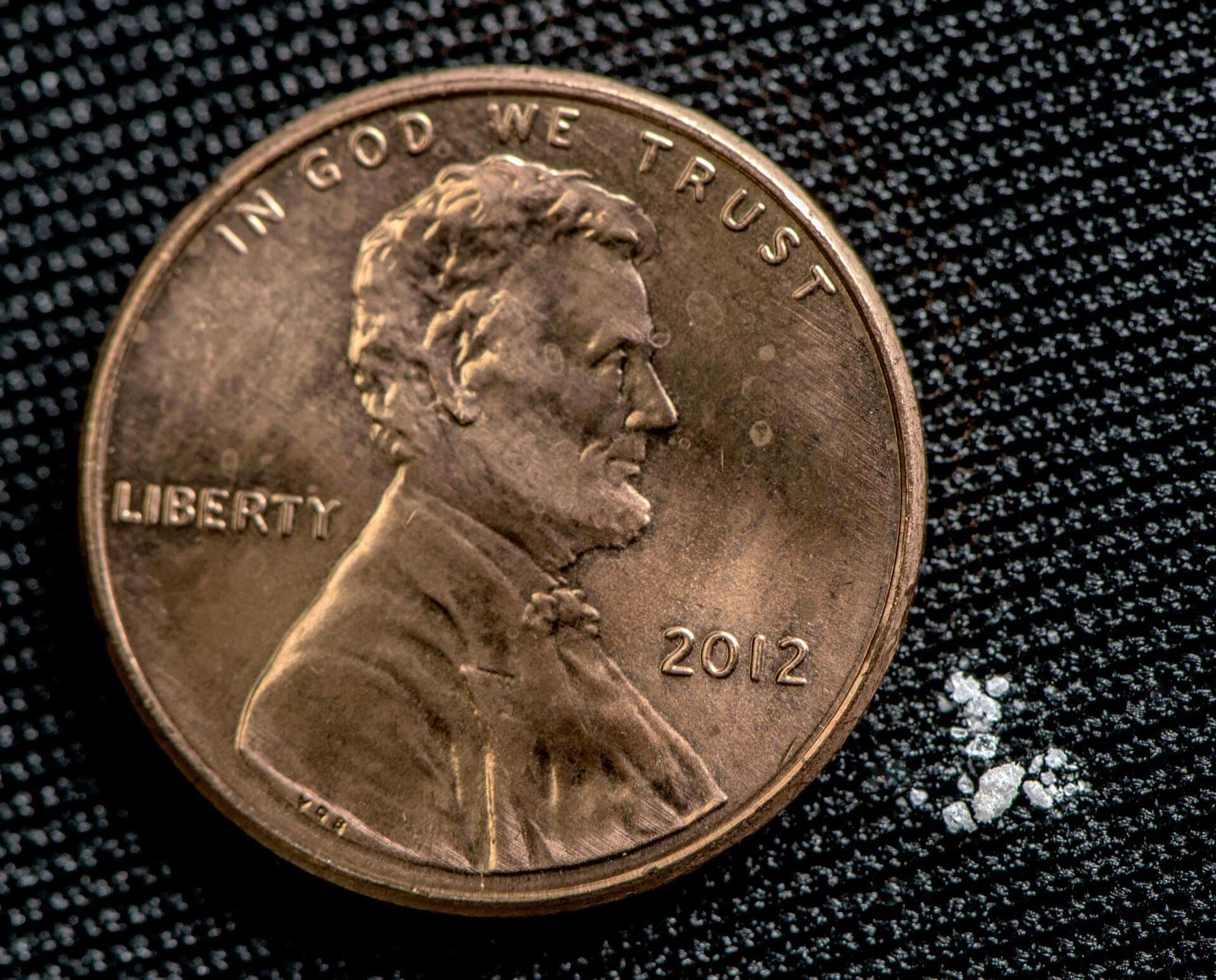
Fewer Americans are dying of drug overdoses than at any time since early 2017, according to the latest provisional figures from the Centers for Disease Control and Prevention's National Center for Health Statistics. The agency predicts 66,478 overdose deaths in the 12 months ending May 2026. That is the lowest 12-month count since the period ending January 2017, when it was 66,194, according to CDC's dataset.
The figures, based on data available as of Oct. 4, show:
- Total deaths: 66,478 predicted in the 12 months ending May 2026, down 11.5% from 75,094 a year earlier.
- From the peak: about 41% below the high of 112,418 in the 12 months ending August 2023.
- Fentanyl and other synthetic opioids (excluding methadone): 34,507 predicted, down 19.1% from a year earlier. That is about 56% below the mid-2023 peak, whether measured by reported deaths (77,695 in the 12 months ending June 2023) or by CDC's predicted counts (78,327 in the 12 months ending July 2023).
- Heroin: 1,714, down 32.4%.
- Psychostimulants such as methamphetamine: 24,409, down 14.2%.
- Cocaine: 19,225, down 5.8%.
What "provisional" means. CDC cautions that these are early numbers. "Provisional counts are often incomplete and causes of death may be pending investigation," the agency says, "resulting in an underestimate relative to final counts." To adjust, CDC publishes "predicted" counts alongside the deaths actually reported so far. For the 12 months ending May 2026, reported deaths stood at 65,351 and the predicted figure at 66,478. CDC also warns that "flat or declining numbers of drug overdose deaths (either reported or predicted) could be due to incomplete data, true decreases in the number of deaths, or a combination of the two," and that "True declines or plateaus... cannot be ascertained until final data become available." It notes that Oregon is "experiencing substantial delays" in resolving pending records. Counts for 2015 through 2024 are based on final data.
On Monday, the White House posted at 3:54 p.m. ET:
Post: The White House (@WhiteHouse) on X, Oct. 19, 2026, 3:54 p.m. ET.
"President Donald J. Trump's @ONDCP has overseen a MASSIVE decrease in drug overdose deaths since such deaths peaked under the Biden Administration, saving thousands of American lives. 🇺🇸"
The post carried an image of a Breitbart News headline: "Trump Oversees More Than 40 Percent Drop in Drug Overdose Deaths Since Peak Under Biden."
What the Left Says
The progressive and Democratic case
The left's case starts with timing. CDC's own data show the 12-month total peaked in mid-2023, before the current administration took office. By the period ending January 2025, the predicted count had fallen to 79,626, about 29% below the peak. It has since fallen by another 13,148 to 66,478.
Sen. Catherine Cortez Masto, D-Nev., argues the administration's immigration focus has pulled resources from fentanyl cases. She posted Oct. 16: "This is Homeland Security's own investigation: 9 out of 11 Homeland Security Investigations field offices reviewed say their ability to fight fentanyl has been reduced because of Trump's orders to focus on mass deportations." The Department of Homeland Security inspector general's August report found that in fiscal 2025, as the department shifted toward immigration enforcement, HSI's hours on fentanyl investigations fell by "approximately 31 percent," fentanyl investigations by 24% and HSI fentanyl seizures by 39%. It said agents in 9 of 11 field offices interviewed reported reduced capacity on fentanyl cases. ICE concurred with all four of the report's recommendations.
Researchers, who are not speaking for either party, have not settled on why deaths fell. In a January study in the journal Science, Kasey Vangelov and Peter Reuter of the University of Maryland, Keith Humphreys of Stanford, Jonathan Caulkins of Carnegie Mellon, Harold Pollack of the University of Chicago and Bryce Pardo found that the trend "began to sharply reverse in mid-2023." They suggested "there was a major disruption in the illicit fentanyl trade, possibly tied to Chinese government actions." A September paper in Science Advances led by Nabarun Dasgupta of the University of North Carolina at Chapel Hill disputed part of that. It concluded that "National fentanyl purity alone does not provide sufficient explanation for the recent decline," and pointed to other possible causes, "including drug supply changes, public health interventions, demographic shifts, behavior changes, post-pandemic recovery, cartel dynamics, and fewer initiates to illicit opioid use."
On naloxone and treatment, the record is mixed. In an August Brookings essay, University of Maryland researchers Greg Midgette and Peter Reuter wrote that neither over-the-counter naloxone nor the end of the buprenorphine "X-waiver" "produced changes of the magnitude needed to explain an approximately 50% reduction in fentanyl-involved deaths." They also wrote that "Both policies deserve continued support—they almost certainly saved individual lives." Their conclusion: "the true explanation is almost certainly some combination of supply-side changes, demand-side adaptation, and the hard-to-quantify effects of community organizations doing the daily work of harm reduction."
Where Reality Likely Sits
Radio Purple's analysis
The core fact is not in dispute. Both the administration and its critics cite the same CDC numbers: tens of thousands fewer Americans are dying each year than at the 2023 peak, and the decline has continued into 2026. The disagreement is over credit. The 12-month windows span both administrations, the figures are provisional, and the researchers quoted here say the causes are not yet pinned down.
Common ground already exists. The administration's own strategy "Increases the availability of naloxone and development of new drug overdose reversal medications," and Carter said Monday, "This is an American issue." Congress has passed major drug measures by bipartisan margins:
- The HALT Fentanyl Act, which permanently places fentanyl-related substances in Schedule I of the Controlled Substances Act, passed the Senate 84-16 and the House 321-104, with House Democrats splitting 104-103 in favor. It became law July 16, 2025.
- The SUPPORT for Patients and Communities Reauthorization Act of 2025, which reauthorizes federal prevention and treatment programs through fiscal 2030, including grants to give first responders naloxone and training, passed the House 366-57 and the Senate by unanimous consent. It became law Dec. 1, 2025.
Tougher fentanyl penalties and funding for naloxone and treatment have each drawn votes from both parties. The final 2025 and 2026 counts, when CDC publishes them, will show how much of the provisional decline holds.
What the Right Says
The conservative and Republican case
The administration credits its policies. In comments published by Breitbart News on Oct. 16, Sara Carter, director of the White House Office of National Drug Control Policy (ONDCP), said: "The continued decline in drug overdose deaths shows President Trump's National Drug Control Strategy is working." She added: "There are over 45,000 Americans alive today because of the bold, decisive, and effective actions taken by this administration to defeat the scourge of illicit drugs. Even in light of this historic progress, there is still much to be done, because the only acceptable number of overdose deaths is zero." By CDC's figures, the difference between the 2023 peak and the latest 12-month count is 45,940.
On Monday, Carter posted at 4:48 p.m. ET that "We are SAVING LIVES because of @POTUS" and that "we are a Hammer on the FTOs and transnational criminal organizations!" She added: "Our foot is on the gas Mr. President and we are not letting up." Earlier Monday, at a Justice Department roundtable on fentanyl with Attorney General Todd Blanche and Sen. Dave McCormick, R-Pa., Carter said in a video ONDCP posted: "This is not a Republican issue, a Democrat issue. This is an American issue."
The strategy Carter released May 4 puts supply first. According to the White House fact sheet, "President Trump stemmed the flow of drugs into our country by taking back our borders and executing kinetic strikes against narcoterrorists." The fact sheet says the strategy builds on that to stop drugs and precursor chemicals "at every point of entry, whether it be land, sea, air or mail," and continues an "offensive to dismantle the cartels' multibillion dollar criminal enterprises." It also calls for faith-based recovery programs, primary prevention and expanded treatment.
Sources & Citations
- CDC, National Center for Health Statistics, “Provisional Drug Overdose Death Counts (Vital Statistics Rapid Release)”, October 14, 2026.
- CDC, data.cdc.gov, “VSRR Provisional Drug Overdose Death Counts (dataset xkb8-kh2a)”, October 4, 2026.
- X (@WhiteHouse), “The White House post on X”, October 19, 2026.
- X (@SaraCarterDC), “ONDCP Director Sara Carter post on X”, October 19, 2026.
- X (@ONDCP), “ONDCP post and video of Director Sara Carter”, October 19, 2026.
- X (@ONDCP), “ONDCP post on X”, October 14, 2026.
- Breitbart News, “Trump Oversees More than 40 Percent Drop in Drug Overdose Deaths Since Peak Under Biden”, October 16, 2026.
- The White House, “Fact Sheet: 2026 National Drug Control Strategy”, May 4, 2026.
- X (@SenCortezMasto), “Sen. Catherine Cortez Masto post on X”, October 16, 2026.
- DHS Office of Inspector General, “ICE Homeland Security Investigations Hindered in Countering Fentanyl Entering the United States (OIG-26-23)”, August 20, 2026.
- Science, “Did the illicit fentanyl trade experience a supply shock?”, January 8, 2026.
- Science Advances, “Fentanyl purity and overdose decline: A reexamination of geographic trends”, September 18, 2026.
- Brookings Institution, “Exploring the sources of the decline in US drug overdoses”, August 6, 2026.
- Congress.gov, “S. 331, HALT Fentanyl Act (Public Law 119-26)”, July 16, 2025.
- Congress.gov, “H.R. 2483, SUPPORT for Patients and Communities Reauthorization Act of 2025 (Public Law 119-44)”, December 1, 2025.
Positions above are attributed to the public statements and published reporting cited here. Quotations are taken from these sources; Radio Purple does not publish unattributed or invented quotes. See an error? Request a correction.