Justice Department Sues Anne Arundel Schools, Saying Parents Were Kept in the Dark on Gender Identity
The Civil Rights Division says a Maryland school system's gender-identity rules let staff ask students about names and pronouns, record the answers and withhold them from parents, in violation of two federal student-privacy laws. The district says it complies with both laws and had been talking with DOJ when it was sued.
By Rachel Dunmore, Washington Correspondent
Published · 6 min read
The Overview
The facts, straight
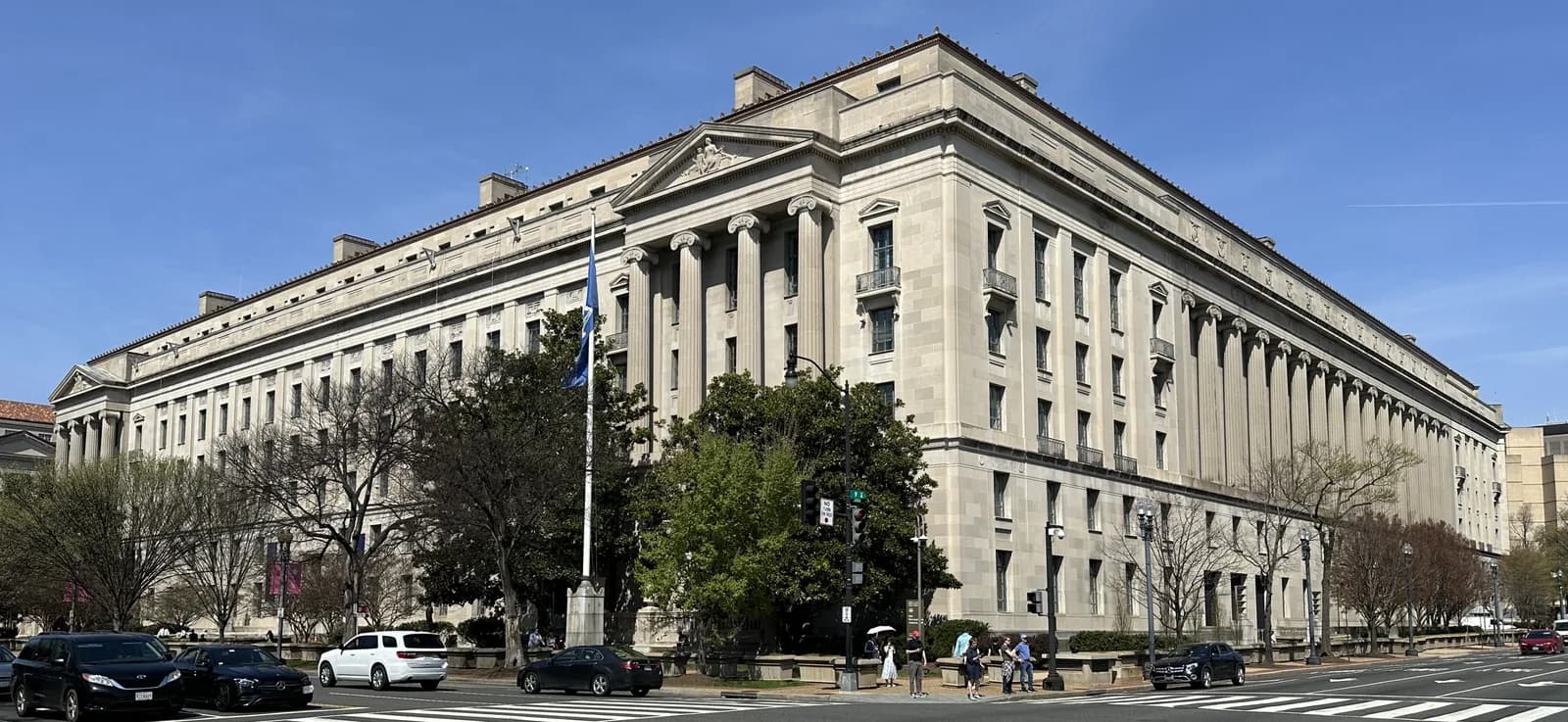
The lawsuit. The Justice Department's Civil Rights Division sued the Board of Education of Anne Arundel County, Maryland, on Tuesday, Oct. 27, in federal court in Maryland. The case is United States v. Board of Education of Anne Arundel County, No. 1:26-cv-4499 (complaint; DOJ release). It is assigned to U.S. District Judge Richard D. Bennett (docket; also on Justia). As of the latest docket entries we could check, the district had not filed an answer or any motion, and the court had not ruled on anything. The district's answer is due Dec. 28. Everything below from the complaint is an allegation the court has not tested.
The legal hook. DOJ isn't suing under the Constitution. It's using two federal student-privacy laws that come with federal school money:
- FERPA, the Family Educational Rights and Privacy Act, gives parents of minors the right to see their children's education records, ask to fix ones they think are wrong, get a hearing, and block most disclosures.
- PPRA, the Protection of Pupil Rights Amendment, requires parental consent, or at least notice and a chance to opt out, before a school surveys students on sensitive topics such as "sex behavior or attitudes" or "mental or psychological problems."
The complaint says the Secretary of Education found the district out of compliance with FERPA on July 22 and with PPRA on Sept. 3, and that DOJ sent demand letters after each finding.
What DOJ says the policy does. Anne Arundel's Policy JQ, "Safe and Inclusive Environments for LGBTQ+ Students," dates to 2021. Its implementing rule, Regulation JQ-RA, was last revised Aug. 18, 2026. According to the complaint, the rule:
- directs staff to use a student's self-identified name and pronouns, and treats gender-identity information as "confidential medical information";
- tells staff to work with parents on a support plan "unless there is a genuine safety concern" as decided by the principal, with no way for parents to challenge that call;
- says "self-identification of a student's gender is sufficient" to change the official record, with no process for parents to be told or to object; and
- sends gender information to the Maryland State Department of Education without notice to parents.
The district's August revision added that nothing in the rule limits parents' FERPA rights, "including the right to inspect and review their student's complete education record." Superintendent Mark Bedell told families that "no policy, guideline, or practice may limit or otherwise interfere with parental rights under FERPA." DOJ says that isn't enough, because the rule still gives parents no way to correct records or get a hearing.
One family's account. The complaint describes "Mary Doe," a high school senior, and her parents, who are also suing the district separately. In that case, Doe v. Bedell, the school board has asked the court to dismiss, and the Justice Department has filed a statement of interest, court records show. It says a staff member asked students one-on-one about preferred names and pronouns at the start of a semester without telling parents. In December 2025, the parents got a class email using a male name for their daughter. The staff member first said it went "to the wrong addresses," then admitted Mary had asked to be called that name, the complaint says. In May 2026, a field-trip roster sent to all chaperone parents listed the same male name with the family's surname. When the parents asked for records, the principal said they could schedule a review of "educational records," but that "internal emails, personal notes, or other staff communications would require appropriate legal process, including a subpoena where applicable." The principal also said Mary's official records still showed her legal name.
What DOJ wants. A declaration that the district broke both laws and an order to stop enforcing Regulation JQ-RA, give parents hearings and correction rights, and get prior written parental consent before surveying minors on protected topics.
What the Left Says
The progressive and Democratic case
The school system denies the claims. "AACPS disagrees with the allegations and stands by its compliance with FERPA and PPRA," a spokesperson told CBS Baltimore. The district said it "has been in regular contact with the Department of Justice in a good faith effort to resolve their concerns while adhering to our obligations to all students, parents and staff. It's regrettable that the Department chose to pursue litigation rather than continuing constructive dialogue."
Supporters of the policy say its "safety concern" exception exists for students whose homes aren't safe. "We must also acknowledge that not every student experiences the same level of safety or acceptance at home," Val Anias, vice chair of Annapolis Pride, said in a statement reported by The Banner. "School policies must balance family engagement with protecting students' privacy, dignity and well-being." County Executive Steuart Pittman, a Democrat, called it "unfortunate that our federal government partners use our tax dollars to sue local school districts rather than to educate children."
Critics also question how settled the law is. The Supreme Court's March ruling in Mirabelli v. Bonta, which the complaint cites, came on an emergency application. Justice Elena Kagan, joined by Justice Ketanji Brown Jackson, dissented, writing that the case raised "novel legal questions" that deserved full briefing and argument, and noting that "almost 40 cases raising due process and/or free exercise objections to similar school policies are currently in the judicial system."
Where Reality Likely Sits
Radio Purple's analysis
Shared ground. Both sides say federal privacy law gives parents a right to see their children's school records. The district's own August revision says so in writing. Neither side says a school should mislead parents.
The real dispute is narrower than the headlines:
- whether notes, emails and name or pronoun records count as "education records" parents can see and challenge under FERPA;
- whether asking students about preferred names and pronouns is the kind of "survey, analysis, or evaluation" that needs parental consent under PPRA; and
- whether a principal can limit parents' role on safety grounds, and who decides.
What the record settles: DOJ has sued, the Education Department made noncompliance findings first, and the district revised its rule in August while DOJ says it still falls short.
What it doesn't settle: whether the Doe family's account is accurate in every detail, since the district hasn't answered in court yet. Its answer is due Dec. 28. It also doesn't settle whether the court will see these privacy laws the way DOJ does. Mirabelli was about California's rules and the Constitution, decided on an emergency basis, not about FERPA or PPRA.
For parents anywhere: FERPA already lets you ask your school to see your child's education records. The Education Department takes complaints at studentprivacy.ed.gov.
What the Right Says
The conservative and Republican case
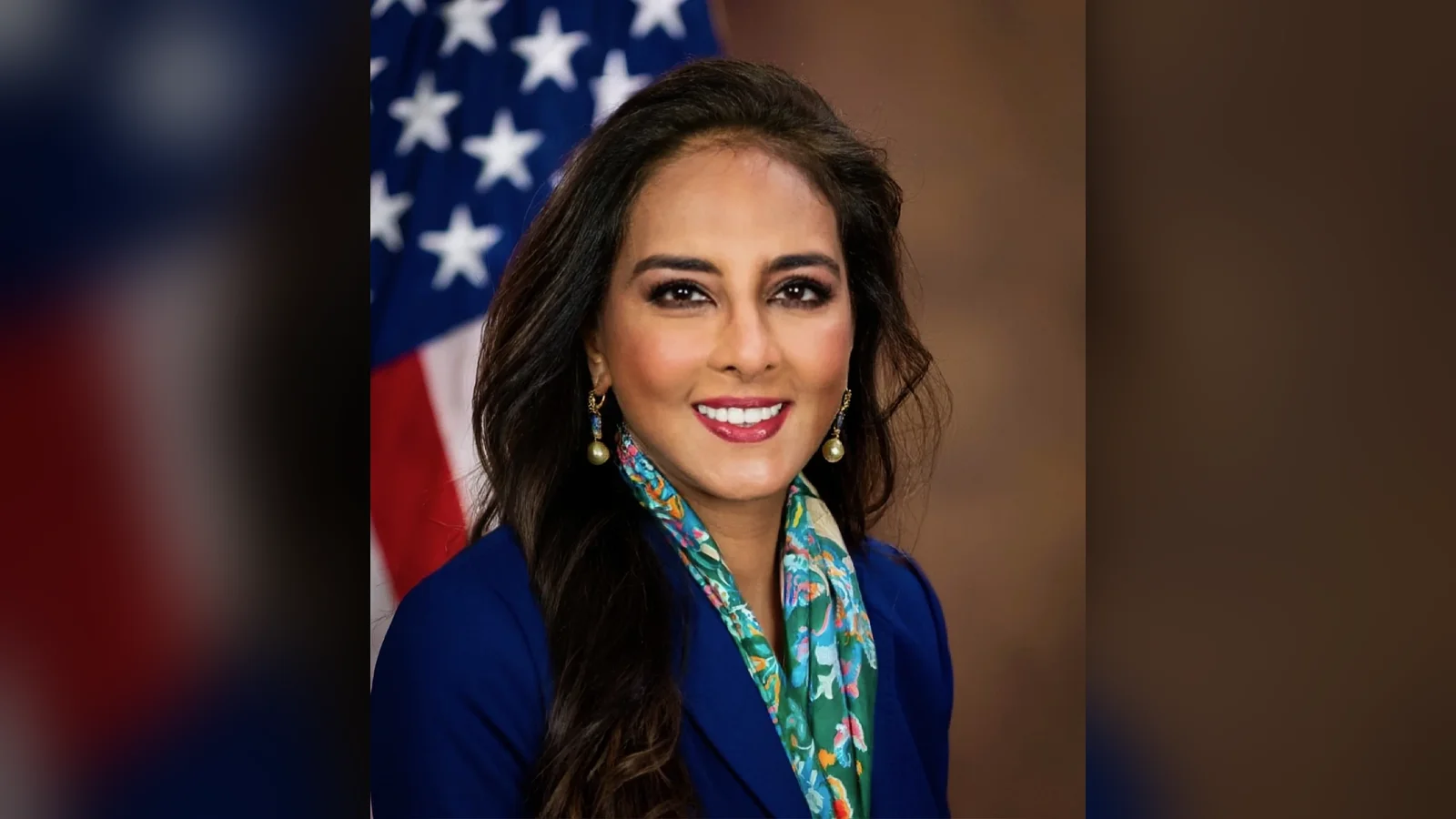
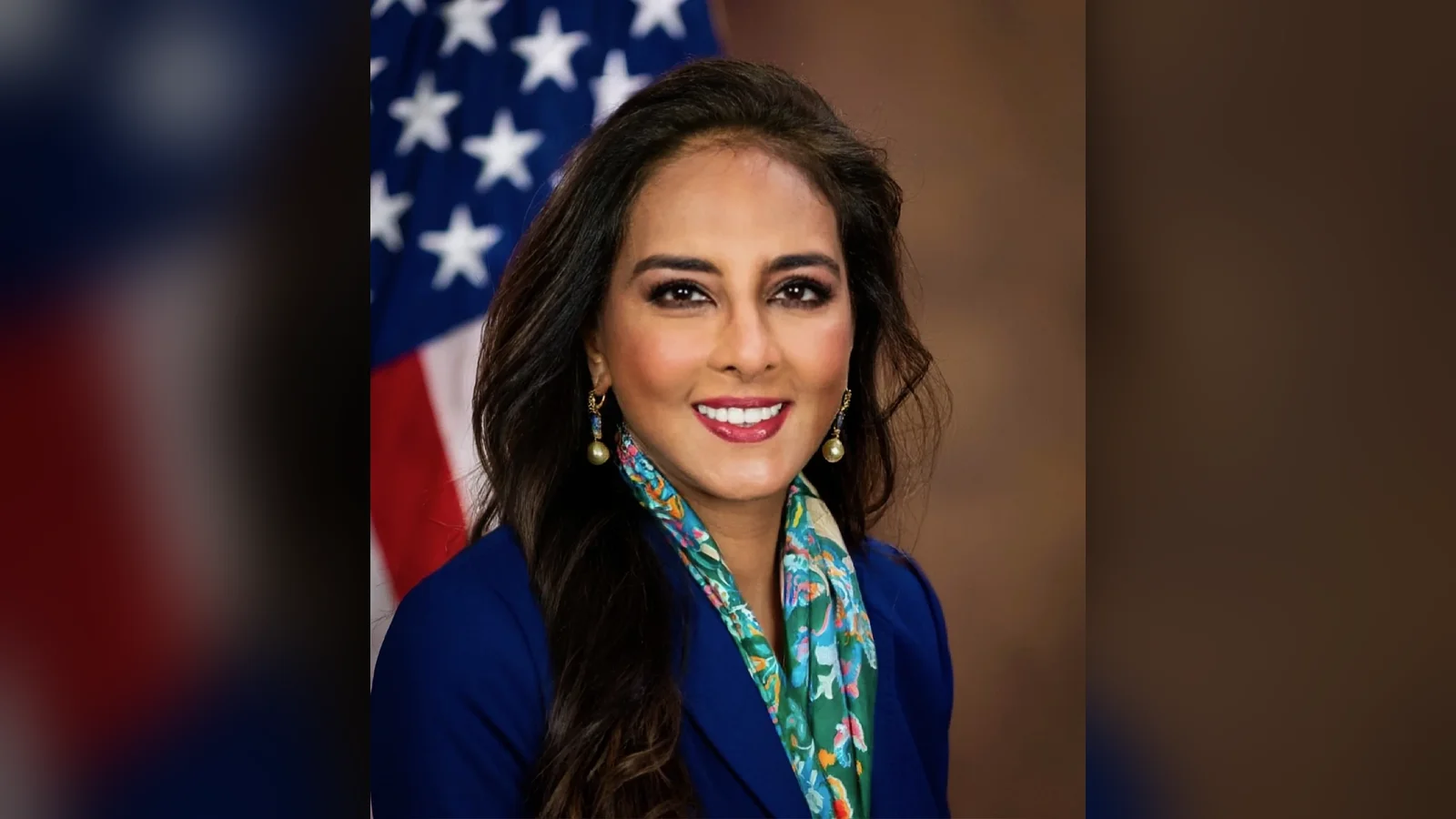
The administration says parents have a right to know what schools are doing with their children. "Schools should not discuss preferred pronouns or 'gender identity' with a student without parental notification and consent," Harmeet Dhillon, then the assistant attorney general for civil rights, said in DOJ's release. She posted:
Post: Harmeet Dhillon (@AAGDhillon), then assistant attorney general for civil rights, on X, Oct. 27, 2026.
Dhillon resigned Nov. 5. Craig Trainor is now the acting head of the Civil Rights Division.
"This administration is standing up for parents. Today, @CivilRights sued Anne Arundel County Public Schools for violating FERPA & PPRA. Parents should not be lied to, stonewalled, or branded as "safety concerns" for exercising their rights."
The complaint leans on Mirabelli. There, the Court's majority said parents challenging California's rules were likely to win, and that such policies "cut out the primary protectors of children's best interests: their parents." DOJ's complaint cites it for the point that a school's "decision to conceal information from parents and facilitate a degree of 'gender transitioning' likely violates parents' fundamental right to direct the upbringing and education of their children."
Sources & Citations
- U.S. Department of Justice, Civil Rights Division, “Complaint, United States v. Board of Education of Anne Arundel County, No. 1:26-cv-4499 (D. Md.)”, October 27, 2026.
- U.S. Department of Justice, Office of Public Affairs, “Justice Department Sues to Stop Secret Gender Transitions at Anne Arundel County Public Schools”, October 27, 2026.
- CourtListener (RECAP), “Docket, United States v. Board of Education of Anne Arundel County, 1:26-cv-04499”, November 14, 2026.
- Justia Dockets (PACER), “Docket, United States of America v. Board of Education of Anne Arundel County, 1:2026cv04499”, October 27, 2026.
- Supreme Court of the United States, “Mirabelli v. Bonta, No. 25A810 (per curiam)”, March 2, 2026.
- X (@AAGDhillon), “Harmeet Dhillon post on X”, October 27, 2026.
- CBS Baltimore, “Justice Department sues Anne Arundel County schools over transgender student policies”, October 27, 2026.
- The Baltimore Banner, “DOJ sues Anne Arundel school system over gender identity policy: What to know”, October 28, 2026.
Positions above are attributed to the public statements and published reporting cited here. Quotations are taken from these sources; Radio Purple does not publish unattributed or invented quotes. See an error? Request a correction.