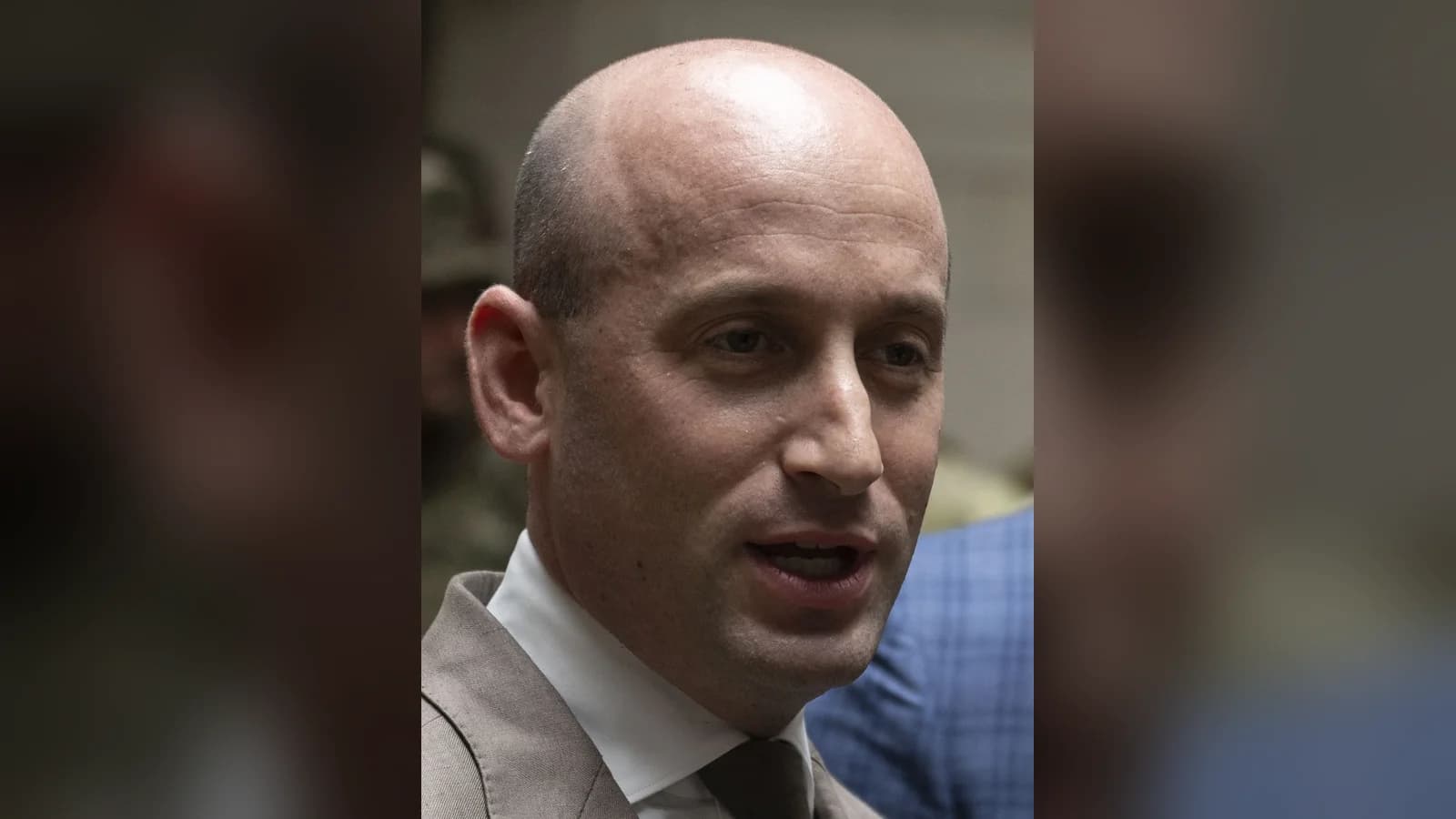
Trump Picks Stephen Miller to Replace Wiles as Chief of Staff
Stephen Miller takes over Monday, Nov. 9, as the 33rd White House chief of staff, according to the White House and President Trump. Susie Wiles says Friday was her last day; Trump says she is moving to his political operation. Democrats promise confrontation, while allies praise Miller's loyalty and ability to execute. The appointment changes who runs the president's team, not the legal powers of the presidency.
By Claire Hollister, Politics and Policy
Published · 4 min read
The Overview
The facts, straight
President Trump named Stephen Miller White House chief of staff Friday, replacing Susie Wiles and elevating the longtime aide best known for shaping his immigration policies to the job overseeing his White House team.
The White House announcement calls him the 33rd chief of staff. Trump's Truth Social post supplies the start date: Monday, Nov. 9. It says Wiles will move to the "Trump Political Operation," without specifying a title or start date there.
Wiles said Friday was her last day:
Post: Susie Wiles (@SusieWiles47) on X, Nov. 6, 2026.
That is different from when she submitted her resignation. NBC and CBS, citing officials not named in their reports, put the submission on Thursday night. CBS, citing three people familiar with the matter, links her departure to Republicans' midterm defeats and reports that Trump accelerated an exit she had envisioned for later. Her own post gives no reason for leaving.
"I wanted to make a change," Trump told reporters Friday, according to CBS. He praised Wiles's work and called Miller a "great manager." The change follows the resignation of DOJ civil rights chief Harmeet Dhillon Thursday and two more DOJ resignation announcements Friday. That sequence does not establish a common reason for all the exits.
What does the job do? The White House's description of the executive branch says the chief of staff oversees the Executive Office of the President. The role combines staff management and policy coordination with access to the president; the BBC describes the chief as a gatekeeper, agenda-setter and negotiator with Congress. Miller moves up from deputy chief of staff for policy.
Does the Senate vote on him? No. This is a White House staff appointment, not a Senate-confirmed department head. CRS explains that White House Office appointments are exceptions to the usual confirmation process. A separate CRS analysis describes the president's broad authority to assign White House staff duties—and the ethics requirements that apply to those employees.
What the Left Says
The progressive and Democratic case
Democratic leaders see the promotion as a continuation of policies they oppose, rather than a response to the election that would bring compromise.
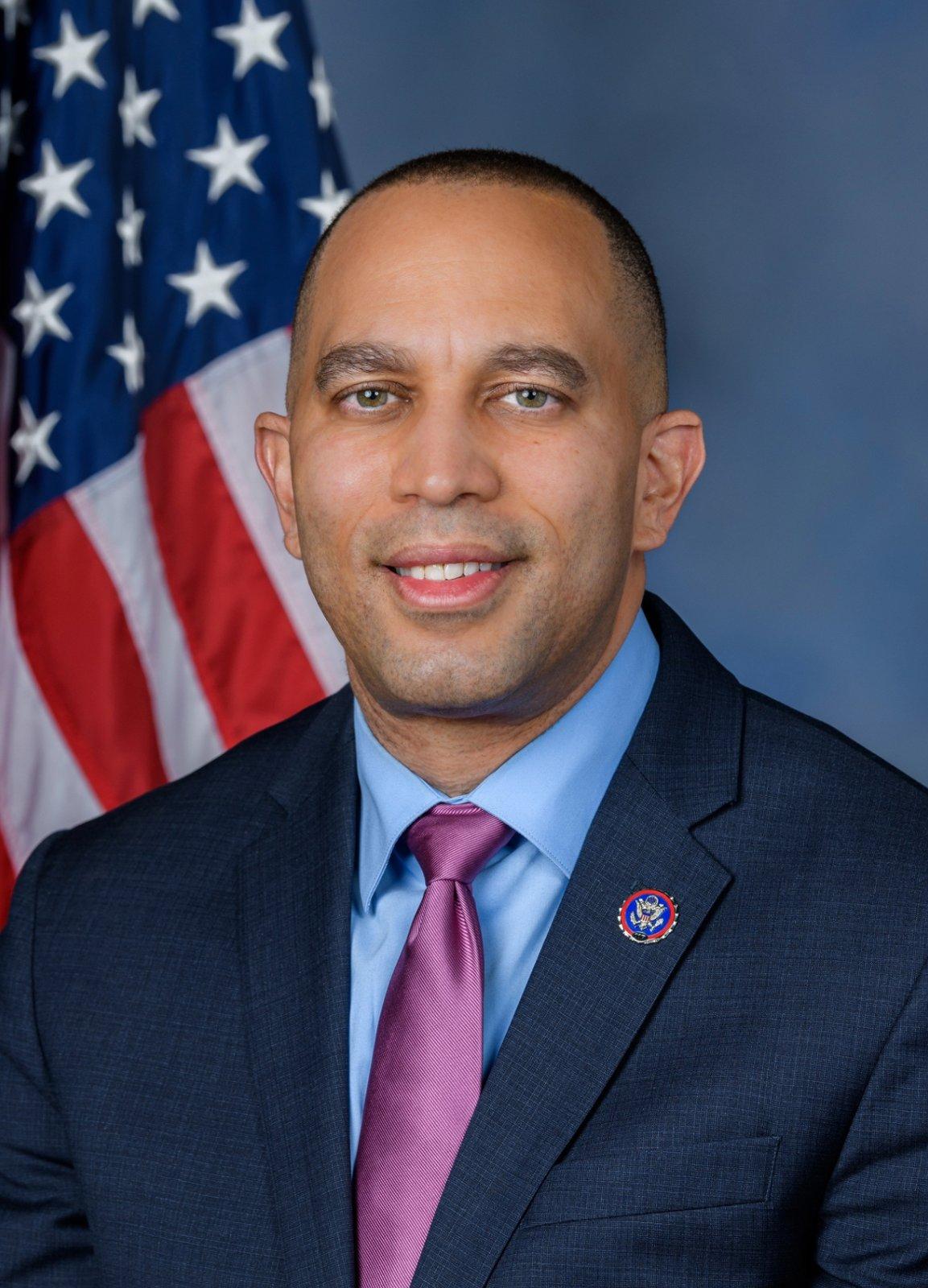
House Democratic leader Hakeem Jeffries called Miller "a dangerous xenophobe and reckless extremist" and demanded: "Fire him today." Those are Jeffries's characterizations, not findings about Miller.
Post: Rep. Hakeem Jeffries (@RepJeffries) on X, Nov. 6, 2026.
Senate Democratic leader Chuck Schumer said Trump had "learned nothing from his historic defeat," called Miller "the architect of the most barbaric, inhumane policies of this administration" and promised that Democratic majorities would oppose him: "Our Democratic majorities will fight him every step of the way."
The practical consequence could be oversight as well as legislative opposition. Rep. Robert Garcia, who is in line to chair the House Oversight Committee in the next Congress, said Miller "should lawyer up," CBS reports. In a statement, Garcia said Oversight Democrats would "continue to investigate Miller for his misconduct" and fight his policies in Congress and the courts. That is a pledge and an allegation, not a new court ruling or a guarantee of a particular investigation's outcome.
Where Reality Likely Sits
Radio Purple's analysis
A management change with policy significance. Miller's influence on immigration policy is well documented in NBC's and CBS's reporting. Putting him in charge of the wider White House team can affect which issues get the president's attention and how the administration negotiates with Congress. It does not, by itself, enact a law, authorize new spending or expand the president's legal powers.
The signal is not the same as an announced agenda. BBC correspondent Anthony Zurcher analyzes the selection as preparation for political battle with a Democratic Congress. The sharp public responses from Schumer and Jeffries give that interpretation a basis. It remains an interpretation: the appointment notice and Miller's statement do not specify a new policy program or rule out negotiations.
The institutional test comes next. Miller will be working for the same president, but with Democratic majorities taking control of Congress in January. The chief of staff can coordinate the president's team and negotiate; he cannot substitute his appointment for votes in Congress. Democrats can promise oversight without predetermining what documents or testimony they will obtain.
What is settled: Wiles identifies Friday as her last day; Trump says Miller starts Monday and Wiles is moving to his political operation. The White House identifies Miller as its 33rd chief of staff.
Update, Nov. 10: Miller began serving as chief of staff Monday, Nov. 9, The Washington Post reported.
What to watch: Wiles's precise outside role, changes to Miller's deputy team, any concrete policy instructions, and the first actual oversight demands or legislative negotiations. Those will show how much changes beyond the name on the office door.
What the Right Says
The conservative and Republican case
Trump's allies emphasize Miller's experience, loyalty and ability to put the president's priorities into practice.
In his announcement, Trump called Miller "one of my most trusted advisors" and said Wiles had "done an outstanding job." Wiles likewise said her commitment to the president and his mission would not change with her role.
Miller thanked "the incomparable Susie Wiles" and said he was "honored beyond words" to take the job:
Post: Stephen Miller (@StephenM) on X, Nov. 6, 2026.
"The mission now is more clear than ever: Fight with all of our soul to support our President and defend this magnificent Republic," he wrote.
The White House's release quotes Vice President JD Vance calling Miller "an amazing patriot" who "will do great things." It also quotes Sen. Mike Lee describing him as "a true conservative warrior" who would be "an excellent White House Chief of Staff."
Those statements favor continuity, not a retreat from the administration's priorities. They are endorsements, however, not a list of new executive orders, enforcement targets or legislative proposals.
Sources & Citations
- The White House, “President Trump Names Stephen Miller as 33rd White House Chief of Staff”, November 6, 2026.
- Donald J. Trump on Truth Social, “Appointment of Stephen Miller starting Monday, November 9, 2026”, November 6, 2026.
- Susie Wiles (@SusieWiles47) on X, “Last day as White House chief of staff”, November 6, 2026.
- Stephen Miller (@StephenM) on X, “Response to appointment as White House chief of staff”, November 6, 2026.
- Chuck Schumer (@SenSchumer) on X, “Reaction to Miller appointment”, November 6, 2026.
- Hakeem Jeffries (@RepJeffries) on X, “Reaction to Miller appointment”, November 6, 2026.
- The White House, “The Executive Branch: Executive Office of the President”, November 7, 2026.
- Congressional Research Service, “Presidential Appointee Positions Requiring Senate Confirmation and Committees Handling Nominations (RL30959), footnote 1”, December 28, 2021.
- Congressional Research Service, “Advising the President: Rules Governing Access and Accountability of Presidential Advisors (LSB10183)”, August 6, 2018.
- NBC News, “Trump names Stephen Miller his new chief of staff, replacing Susie Wiles”, November 6, 2026.
- CBS News, “Trump installs Stephen Miller as White House chief of staff, replacing Susie Wiles”, November 6, 2026.
- Associated Press, “Stephen Miller replaces Susie Wiles as Trump's White House chief of staff after GOP's midterm defeat”, November 6, 2026.
- BBC News, Anthony Zurcher, “With Stephen Miller pick, Trump readies for a battle (analysis)”, November 6, 2026.
Positions above are attributed to the public statements and published reporting cited here. Quotations are taken from these sources; Radio Purple does not publish unattributed or invented quotes. See an error? Request a correction.