Incoming House Democrats Ask Leaders for a Day-One Stock Trading Ban Rule
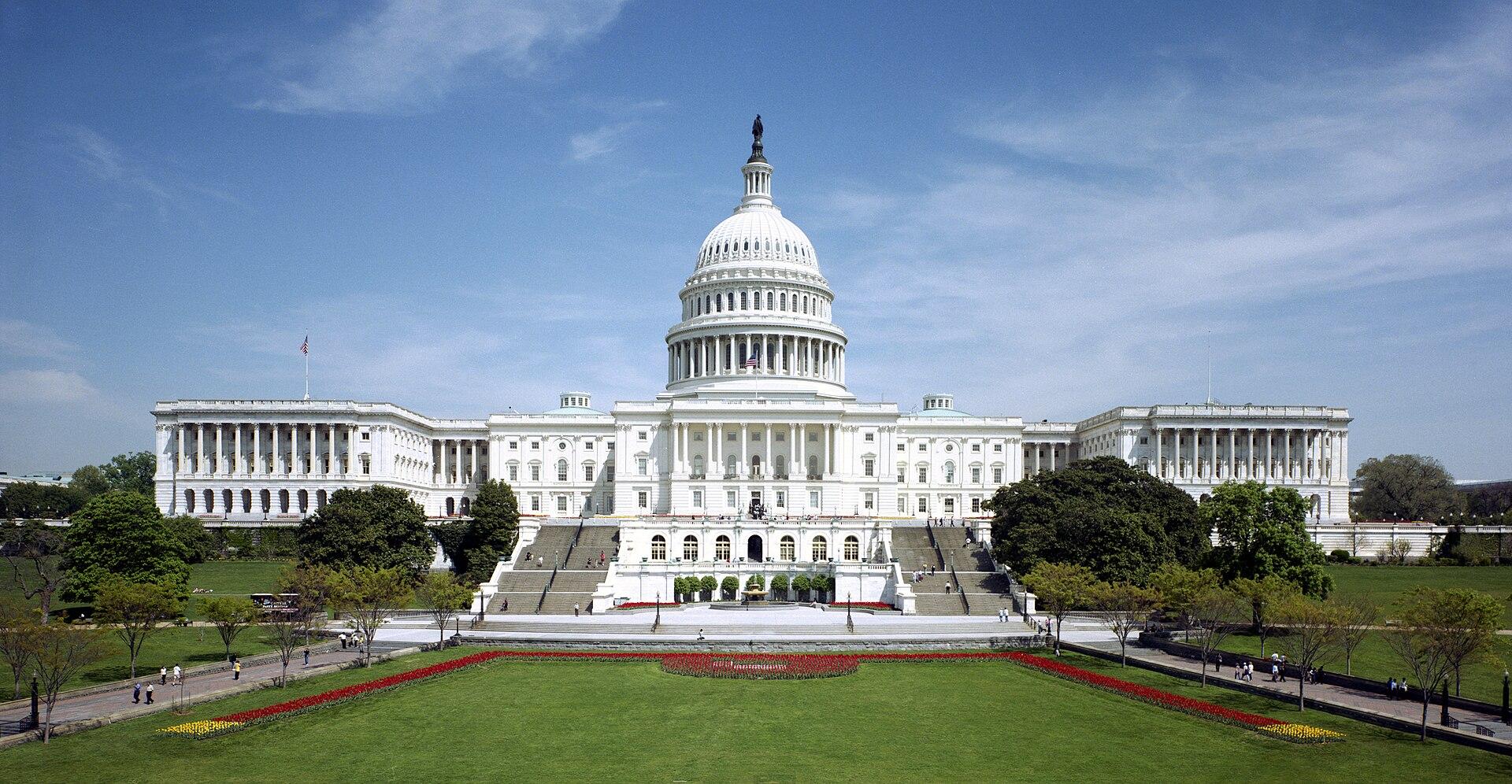
About 50 newly elected Democrats want the House to bar members and their spouses from owning or trading stocks through a House rule, before any law passes. Republicans' own House-passed bill died in the Senate in September.
The Overview
The facts, straight
Newly elected House Democrats want their party to ban stock trading in the House on the first day of the new Congress, without waiting for a law.
In a letter dated Nov. 12, they asked House Democratic Leader Hakeem Jeffries, Whip Katherine Clark and other party leaders to "quickly adopt a rule barring members and their spouses from owning or trading stocks, commodities, futures, derivatives, and other related securities, with limited exceptions such as a diversified mutual fund or an investment held in a qualified blind trust."
Reps.-elect Sarah Trone Garriott of Iowa and Jamie Ager of North Carolina are listed first. The copy of the letter we reviewed lists 50 signers, including Washington, D.C.'s incoming delegate. States Newsroom and other outlets report 51.
Supporters say a rule could be adopted by a simple majority on the first day of the new Congress, which convenes Jan. 3, and would bind House members, CBS2 Iowa reported. The letter calls it "a down payment on much-needed reform to prevent elected and appointed government officials and their spouses from trading stocks."
What came before. The 2012 STOCK Act made clear that insider-trading law applies to members of Congress and required them to report trades. It doesn't bar them from trading.
On July 22, the Republican-led House passed the Stop Insider Trading Act, 232 to 198. All 218 Republicans, 13 Democrats and one independent voted yes. That bill was narrower than what the new Democrats are asking for. It barred members, spouses and dependent children from buying stock in publicly traded companies, but let them keep what they already own and sell it after public notice, according to the House Administration Committee. It covered Congress, not the executive branch. And Republicans combined it with a requirement that voters show photo ID.
On Sept. 30, the Senate voted 53 to 47 on whether to move ahead to the bill. That fell short of the 60 votes needed to end debate. Every Democrat and independent voted no.
What the Left Says
The progressive and Democratic case
The letter's authors say current law isn't working. "The existing laws around insider trading are insufficient," they write. "Nobody should leave Congress with millions more in their bank accounts. A stock trading ban alone will not fix Washington, but it is the fastest way to show voters we heard them."
Trone Garriott told CBS2 Iowa the group wants "a Rule to hold us accountable to a higher standard as we work on passing this into law." Ager posted:
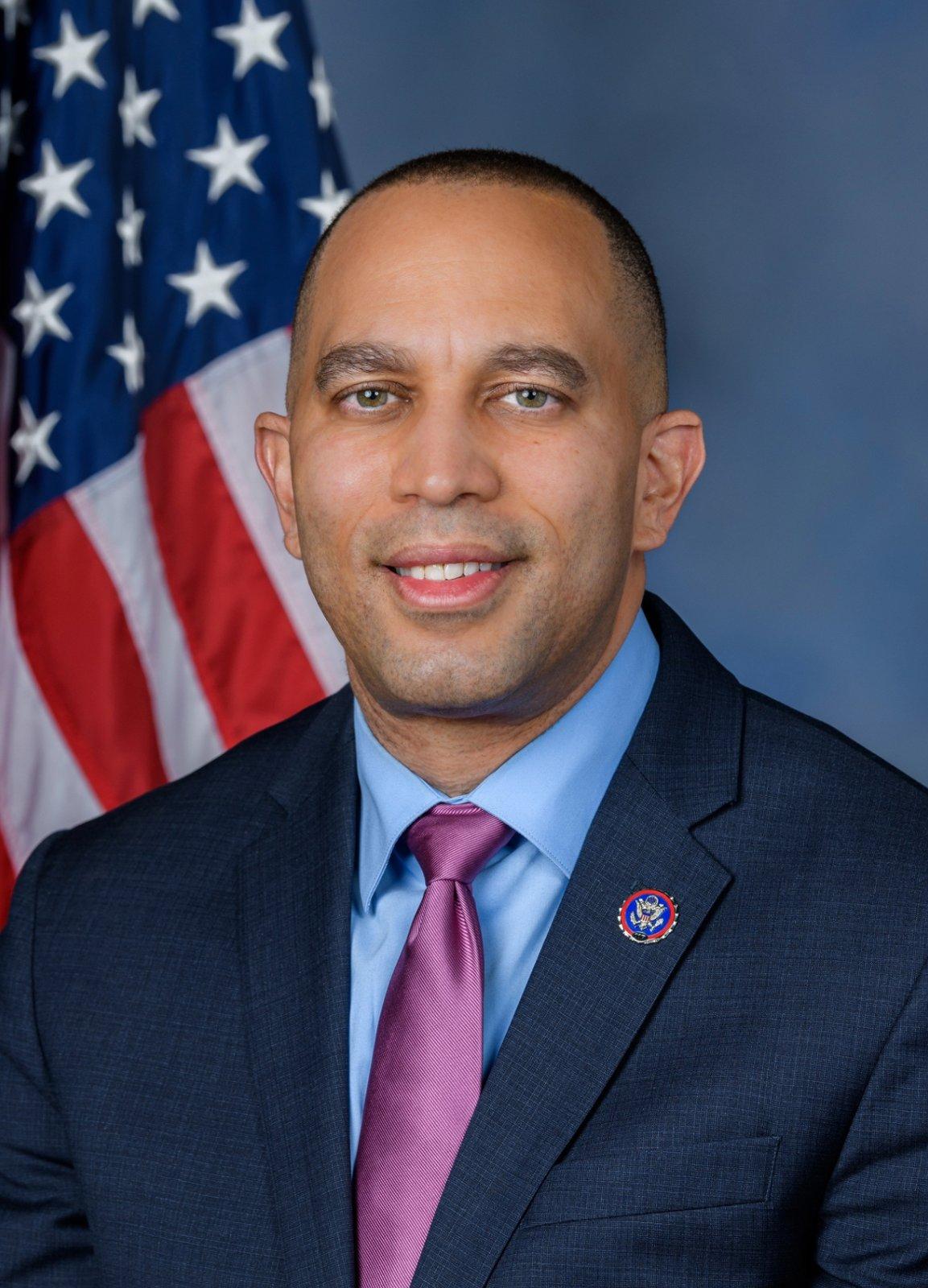
Party leaders have promised a ban but haven't said whether they'll use a rule. Jeffries posted Nov. 12 that House Democrats will "ban members of Congress from trading stocks." Senate Democratic Leader Chuck Schumer went further in a post aimed at President Trump: "Senate Democrats will ban stock trading for all Members of Congress and White House officials."
Many Democrats want the president covered. Rep. Seth Magaziner of Rhode Island said on the House floor Nov. 10 that a ban "must fully ban buying, owning, and selling individual stocks altogether, and it must include the President of the United States," according to the Congressional Record.
Democrats said they voted against the July bill because it didn't go far enough and was tied to voter ID. Some Democrats called the voter ID language a "poison pill." In September, Schumer called the bill "as ineffective as a screen door on a submarine," Roll Call reported.
Where Reality Likely Sits
Radio Purple's analysis
Both parties say they want a ban. House Republicans passed one. The House and Senate Democratic leaders have promised one. The fight is over three things:
- Scope. Should a ban stop only new purchases, or require members to stop owning stocks?
- Who's covered. Should it reach the president, vice president and White House?
- Extras. Should it carry unrelated provisions like voter ID?
A rule is faster but narrower. Democrats will have a House majority on Jan. 3 and can adopt a rule by majority vote that day. A rule binds only the House, though. It wouldn't reach senators or the White House. A law would need the Senate, where most bills still need 60 votes to advance, and the president's signature. Bloomberg Government reported it isn't clear whether Democrats' bill would include the president, which could draw a veto.
The ask is on the record. The answer isn't. We found no public statement from Jeffries or Clark on whether this rule will be in the House rules package. That package will be the first real test.
What the Right Says
The conservative and Republican case
Republicans say they already passed a ban and Democrats blocked it. Before the Senate vote, Majority Leader John Thune said Democrats "can't take yes for an answer" and were "trying to politicize everything going into the election," Roll Call reported. Rep. Bryan Steil of Wisconsin, the bill's author, said in July that it "ensures no lawmaker can profit off of insider information."
Some Republicans want to act before Democrats take over. Sen. John Kennedy of Louisiana listed a congressional trading ban among his lame-duck goals. He listed it as its own item, separate from a reconciliation bill:
Some conservatives blame Thune for how little got through the Senate. In a Nov. 12 opinion column for PJ Media, Matt Margolis wrote that House bills "hit the Senate and died at the hands of Democrat obstruction, because Thune refused to touch the filibuster." He didn't single out the stock trading bill.
Republicans are split on scope, too. Sen. Josh Hawley of Missouri has a stricter bill. It would bar owning as well as trading and cover the president and vice president. It has cleared a Senate committee but hasn't reached the floor, Roll Call reported.
Sources & Citations
- Politico (document host), “Letter from incoming House Democrats to Leader Jeffries and Whip Clark”, November 12, 2026.
- Office of the Clerk, U.S. House of Representatives, “Roll Call 280, H.R. 7008, Stop Insider Trading Act, On Passage”, July 22, 2026.
- U.S. Senate, “Roll Call Vote 253: Cloture on the Motion to Proceed, H.R. 7008”, September 30, 2026.
- Committee on House Administration, “House Passes Chairman Steil's Stop Insider Trading Act”, July 22, 2026.
- GovInfo, “STOCK Act, Public Law 112-105”, April 4, 2012.
- Office of Rep. Hakeem Jeffries, “Jeffries, Schumer statement following Democratic leadership meeting”, November 9, 2026.
- @RepJeffries, “Hakeem Jeffries on X”, November 12, 2026.
- @SenSchumer, “Chuck Schumer on X”, November 12, 2026.
- @SenJohnKennedy, “John Kennedy on X”, November 13, 2026.
- @JamieAgerNC, “Jamie Ager on X”, November 13, 2026.
- Congressional Record, “Banning Stock Trading by Elected Officials (Rep. Magaziner)”, November 10, 2026.
- Minnesota Reformer (States Newsroom), “Incoming US House members call on Dem leaders to institute a stock trading ban”, November 13, 2026.
- CBS2 Iowa, “Trone Garriott leads push to ban stock trading by members of Congress”, November 13, 2026.
- Roll Call, “Lawmakers' stock trading bill falls short in Senate”, September 30, 2026.
- PJ Media (Matt Margolis, opinion), “When Did John Thune Become So Useless?”, November 12, 2026.
Positions above are attributed to the public statements and published reporting cited here. Quotations are taken from these sources; Radio Purple does not publish unattributed or invented quotes. See an error? Request a correction.