Trump Orders DOJ to Investigate Democrats Over Alleged Threats
Trump calls alleged threats against officials and donors extortion. Slotkin says accountability should follow unlawful conduct. The dispute turns on what was said, what Congress can do and whether DOJ takes action.
By Evelyn Shaw, Constitution Explained
Published · 5 min read
The Overview
The facts, straight
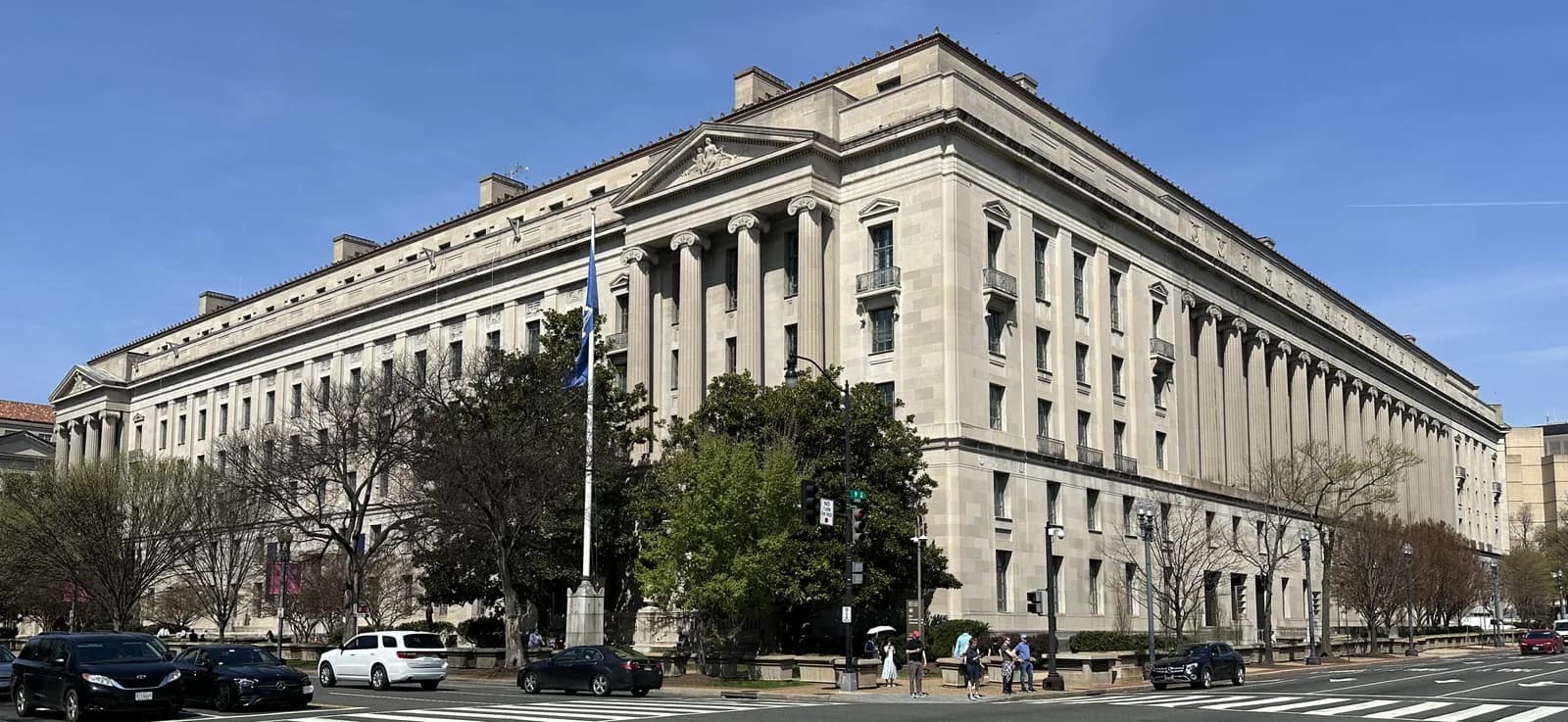
President Trump said Saturday that he was ordering the Justice Department to investigate Democrats over what he described as threats to impeach administration officials and imprison Republican donors and supporters. He called the alleged conduct extortion, singled out Michigan Sen. Elissa Slotkin and demanded immediate action.
"By copy of this statement, I am ordering the Department of Justice to look into this criminal act, immediately!" Trump wrote in his Nov. 7 Truth Social post.
That is a presidential instruction to investigate—not a finding that a crime occurred or confirmation of what investigative steps the department has taken. In that post, Trump did not identify a criminal statute, attach the alleged threatening letters or specify their senders and recipients.
Post: President Donald Trump on Truth Social, Nov. 7, 2026.
Trump followed with a second post asking people to report alleged threats to DOJ or send them directly to him. He again called for jail for those he accused. The two statements escalate a confrontation over the investigations Democrats have promised after winning control of Congress in Tuesday's elections. Their majorities begin with the new Congress in January; Republicans retain control in the meantime (our divided-government explainer).
Reuters and CNBC separately reported the directive. The unresolved question is what conduct prosecutors would examine and on what legal basis—not whether Trump's description alone establishes criminal liability.
What the Left Says
The progressive and Democratic case
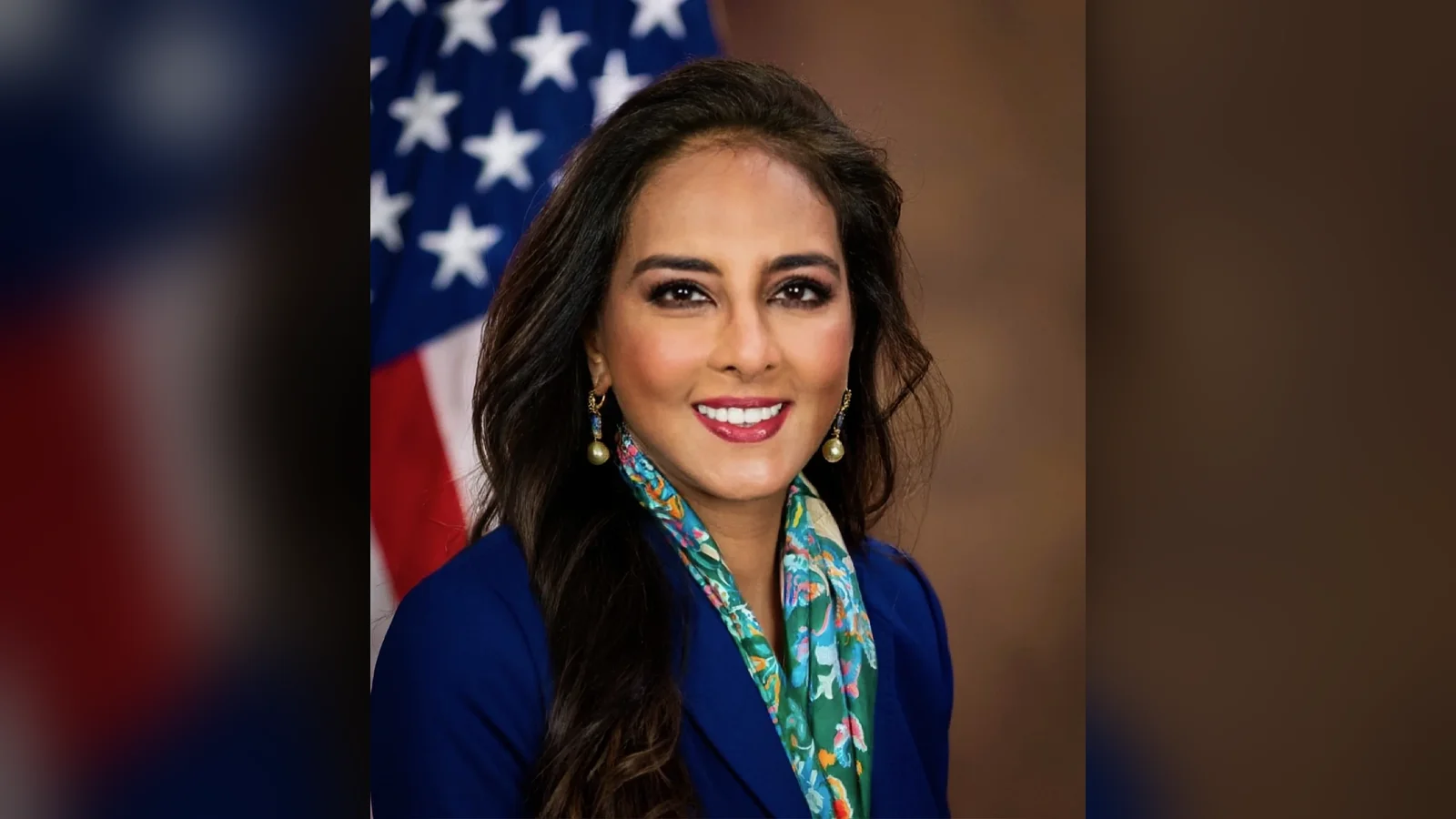
Slotkin responded Saturday on her own X account: "This shouldn’t be controversial: if you break the law or use taxpayer dollars to enrich yourself, you should be held accountable. If you didn’t break the law, then it’s all good."
Post: Sen. Elissa Slotkin (@ElissaSlotkin) on X, Nov. 7, 2026.
Her response frames accountability around alleged unlawful conduct and misuse of public money. It does not concede Trump's accusation that she is targeting people simply for being Republican.
The older remarks behind the dispute need their own context. Slotkin spoke with Astead Herndon at an Oct. 13 University of Chicago Institute of Politics event. In Vox's published interview transcript, explicitly edited for length and clarity, she described three priorities for a possible Democratic majority: housing and health-care legislation, accountability for what she called corruption, and changes to prevent future abuses of government.
When Herndon asked whether impeachment should be a focus, she emphasized effectiveness and said: "I want to look at these signature cases and not just focus on the president, but on the people who enabled him."
She then imagined graduates considering administration jobs: "I want them to be like, ‘Lord, that might be buying myself a ton of problems that I don’t want, and so let me avoid participating in that.’ I want that deterrence message sent."
That is a deliberately deterrent message about working for the administration. But it appears in a discussion of accountability for alleged abuses—not a stated plan in that passage to prosecute everyone who holds Republican views. Her language leaves questions about which people and conduct she would target; it does not itself establish wrongdoing by any prospective target.
Other Democrats have publicly endorsed impeachment of Attorney General Todd Blanche. Fox News reported Saturday that Rep. Hank Johnson said Thursday on The Dan Abrams Show that Blanche should be impeached, convicted and removed. Rep. Deborah Ross also supported impeaching Blanche, while saying Democrats "should start with Hegseth." Those reported public positions do not identify the letters Trump alleges were sent.
Where Reality Likely Sits
Radio Purple's analysis
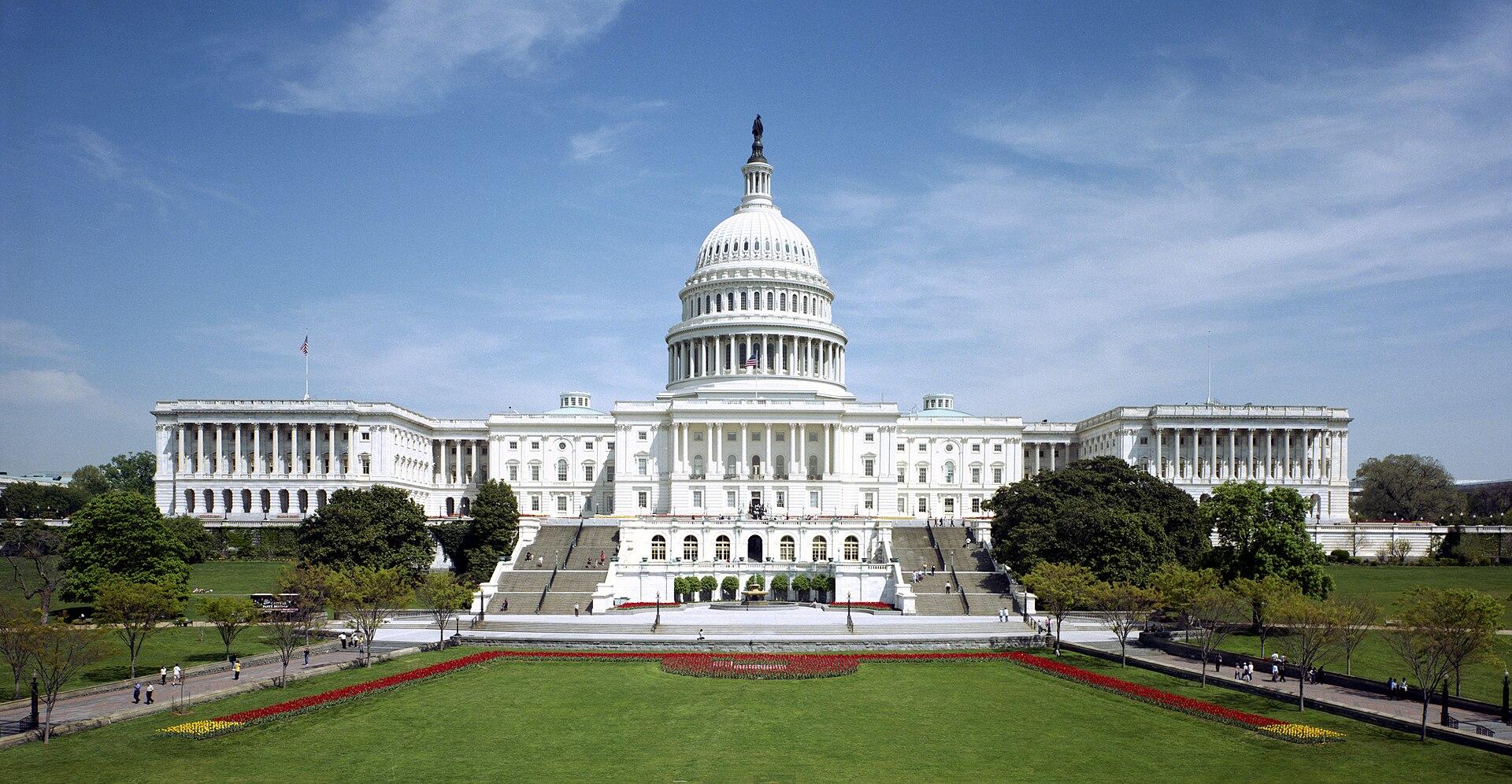
Impeachment, oversight and criminal prosecution are different processes. Article I of the Constitution gives the House the sole power of impeachment and the Senate the power to try impeachments. Senate conviction requires two-thirds of members present. An impeachment judgment concerns removal and possible disqualification from office; it does not itself impose a prison sentence. Criminal proceedings are separate.
Calling for an official's impeachment is therefore a call to use a constitutional process, not proof of extortion. Whether a particular communication violates criminal law depends on its contents, the applicable law and evidence—not simply on the fact that it threatens political consequences. Trump's posts do not provide those particulars.
Congress has investigative authority, but not unlimited authority. The Congressional Research Service explains that oversight is inherent in Congress's legislative powers. Investigations conducted under Congress’s legislative oversight power must fall within the committee’s jurisdiction and serve a valid legislative purpose. Impeachment rests on a separate express constitutional power. Constitutional protections still apply to the people they investigate. A promise of accountability does not establish that every proposed inquiry would satisfy those requirements, just as a president's objection does not by itself invalidate congressional scrutiny.
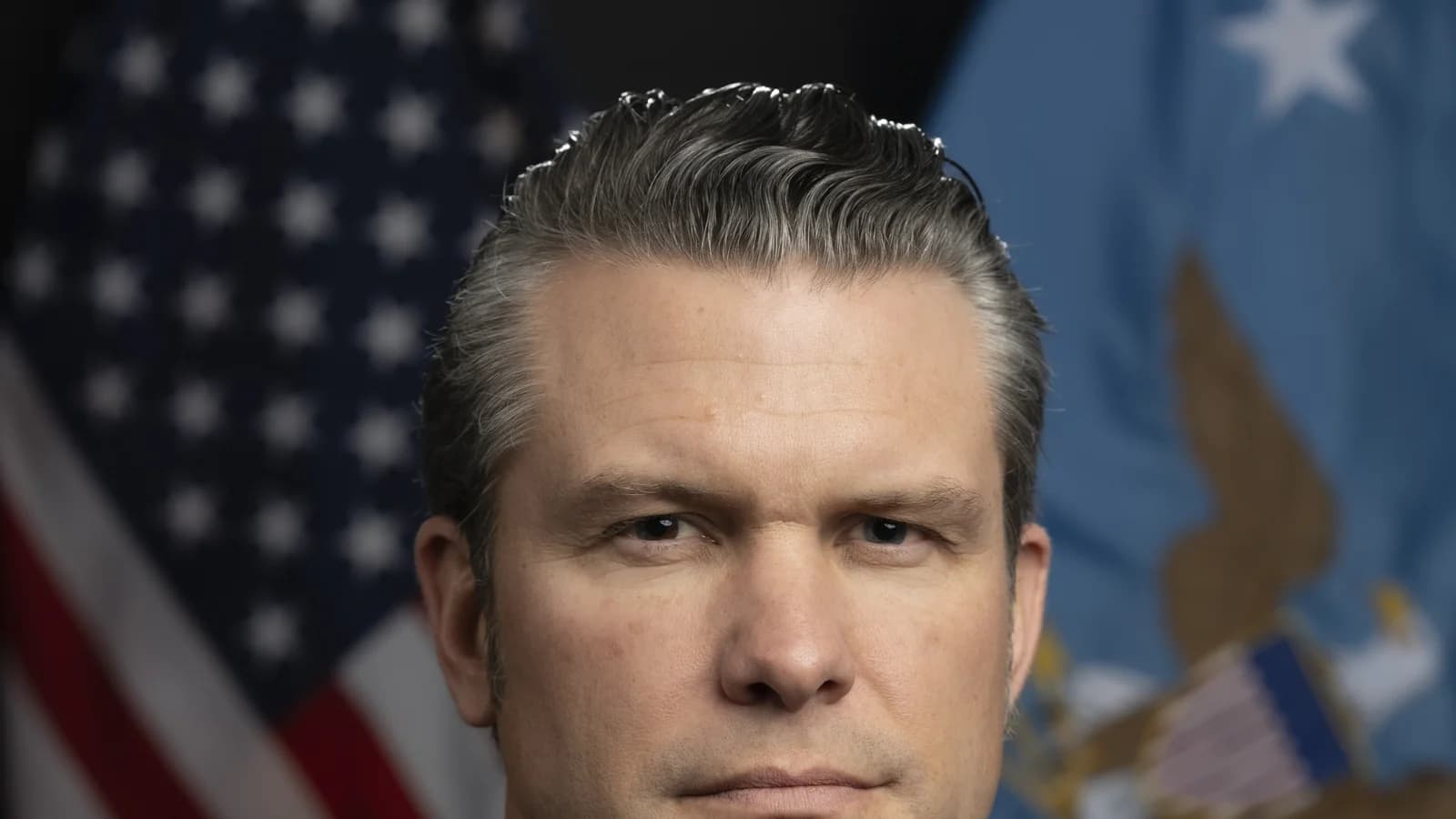
Impeachment advocacy is not confined to Democrats. Rep. Thomas Massie, a Kentucky Republican, has been pressing for a House vote on impeaching Defense Secretary Pete Hegseth (our report on his proposal and the process). That proposal, like the Democrats' public statements, must be distinguished from a completed House impeachment or a Senate conviction.
The missing specifics matter more than the labels. Trump's posts establish that he publicly ordered DOJ scrutiny and demanded punishment. They do not establish that the alleged extortion occurred, identify the letters at issue or show what action prosecutors have taken. Slotkin's response explains her stated standard; it does not prove corruption by the officials she wants scrutinized.
Update, Nov. 10: On Sunday television, Attorney General Todd Blanche criticized Democrats' rhetoric but did not confirm that an investigation had been opened, according to a White House summary.
The next concrete developments to watch are any DOJ description of its action and legal basis, the actual communications behind Trump's allegation, and the investigations or impeachment measures lawmakers formally pursue. Until then, these are competing claims about accountability and retaliation—not findings of criminal guilt.
What the Right Says
The conservative and Republican case
Trump's argument is that Democrats are using the prospect of government punishment against people for their political affiliation. His first post says they are threatening the attorney general and others with impeachment even though, he asserts, there have been no impeachable acts.
He also alleges donors are being threatened with imprisonment "just because they happen to be Republicans, or Republican supporters." He calls that "Weaponization and Lawfare at another level."
On Slotkin, Trump claims she wants to "go after all young people that believe in Republican Values." That characterization is broader than the discussion in the published interview transcript, which concerns prospective administration work and people she says enabled abuses.
In his second statement, Trump wrote: "Please report them to the Department of Justice, IMMEDIATELY!" He added: "These SLEAZEBAGS should go to jail for what they are doing."
Post: President Donald Trump on Truth Social, Nov. 7, 2026.
The demand for imprisonment is Trump's position, not a criminal judgment. Neither post supplies the underlying letters or identifies the particular donor communications that would allow their content to be assessed.
Sources & Citations
- President Donald Trump on Truth Social, “Trump directs DOJ scrutiny of alleged Democratic threats”, November 7, 2026.
- President Donald Trump on Truth Social; text verified in linked archive, “Trump asks for reports of alleged threats and demands punishment”, November 7, 2026.
- Trump’s Truth / Defending Democracy Together, “Full first-post archive and timestamp”, November 7, 2026.
- Trump’s Truth / Defending Democracy Together, “Full second-post archive, original URL and timestamp”, November 7, 2026.
- Sen. Elissa Slotkin (@ElissaSlotkin) on X, “Response: accountability for unlawful conduct or misuse of taxpayer money”, November 7, 2026.
- University of Chicago Institute of Politics, “Senator Elissa Slotkin: Live Recording of America, Actually!”, October 13, 2026.
- Vox, Cameron Peters and Astead Herndon, “This Democrat’s accountability plan has Trump fuming; published interview excerpt edited for length and clarity”, October 21, 2026.
- CNBC, Renée Onque, “Trump targets Slotkin in call for DOJ probe of alleged Democratic threats to Republicans”, November 7, 2026.
- Reuters via Yahoo News, “Trump orders DOJ to look into Democrats for threatening people”, November 7, 2026.
- Reuters via Dawn, “Trump orders US Justice Department to look into Democrats for threatening people with impeachment, other penalties”, November 8, 2026.
- Fox News, James Cirrone, “Trump orders DOJ probe into Democrats over alleged threats against administration officials”, November 7, 2026.
- Politico, Ben Johansen and Gregory Svirnovskiy, “Trump calls for DOJ investigation into Democratic calls for oversight; indexed excerpt only”, November 7, 2026.
- National Archives, “Constitution of the United States: Articles I and II”, November 8, 2026.
- Congressional Research Service, “Congressional Oversight and Investigations, IF10015”, December 3, 2024.
Positions above are attributed to the public statements and published reporting cited here. Quotations are taken from these sources; Radio Purple does not publish unattributed or invented quotes. See an error? Request a correction.