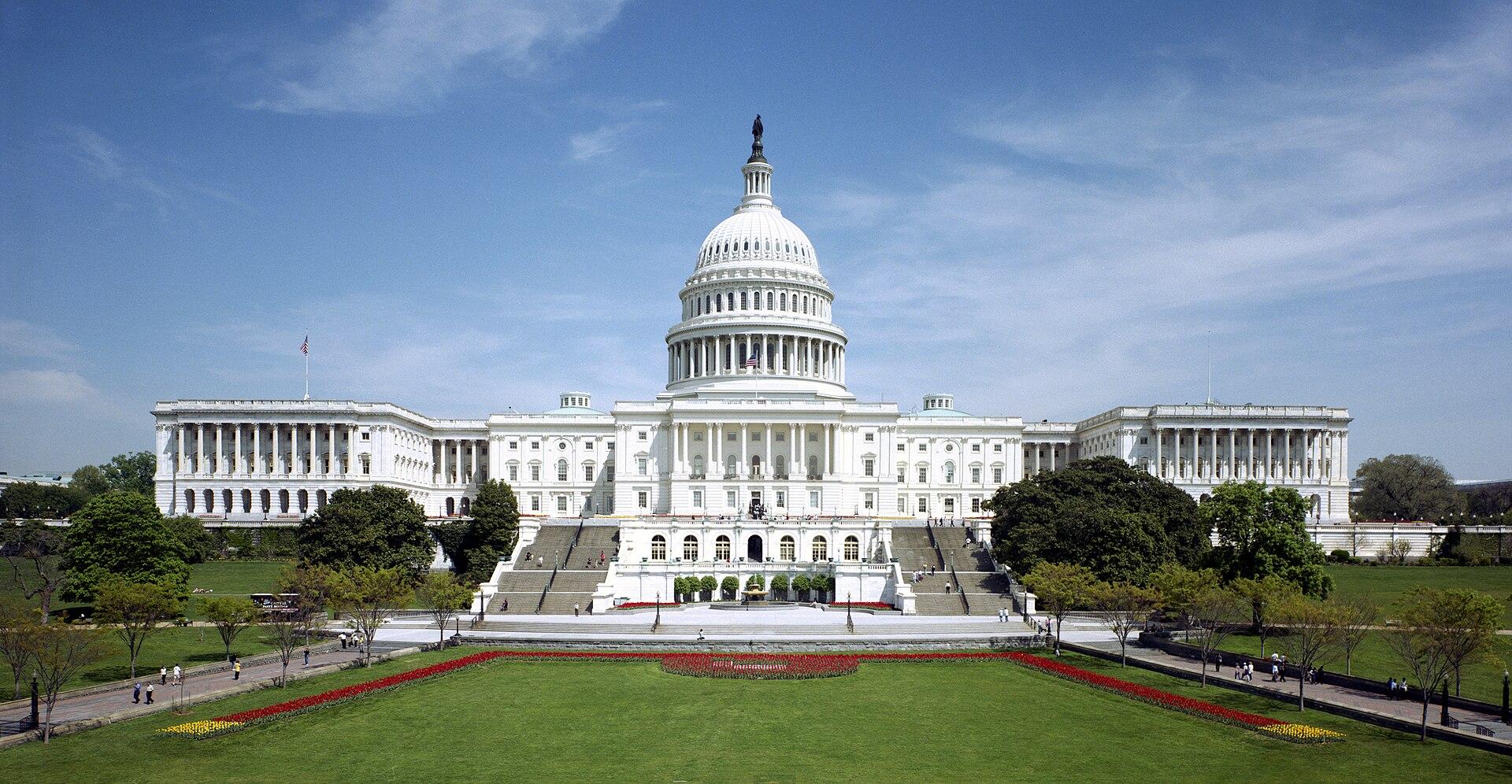
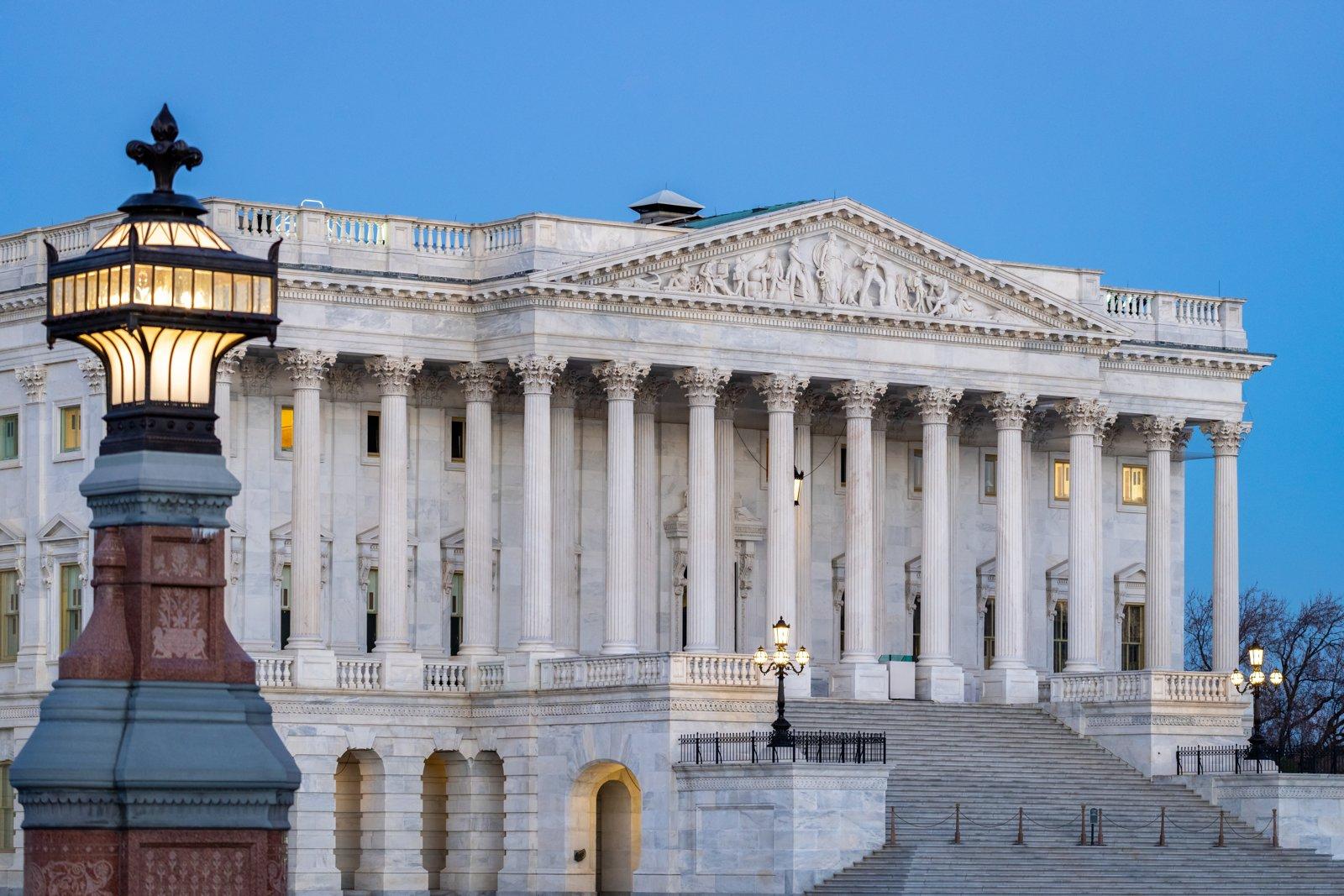
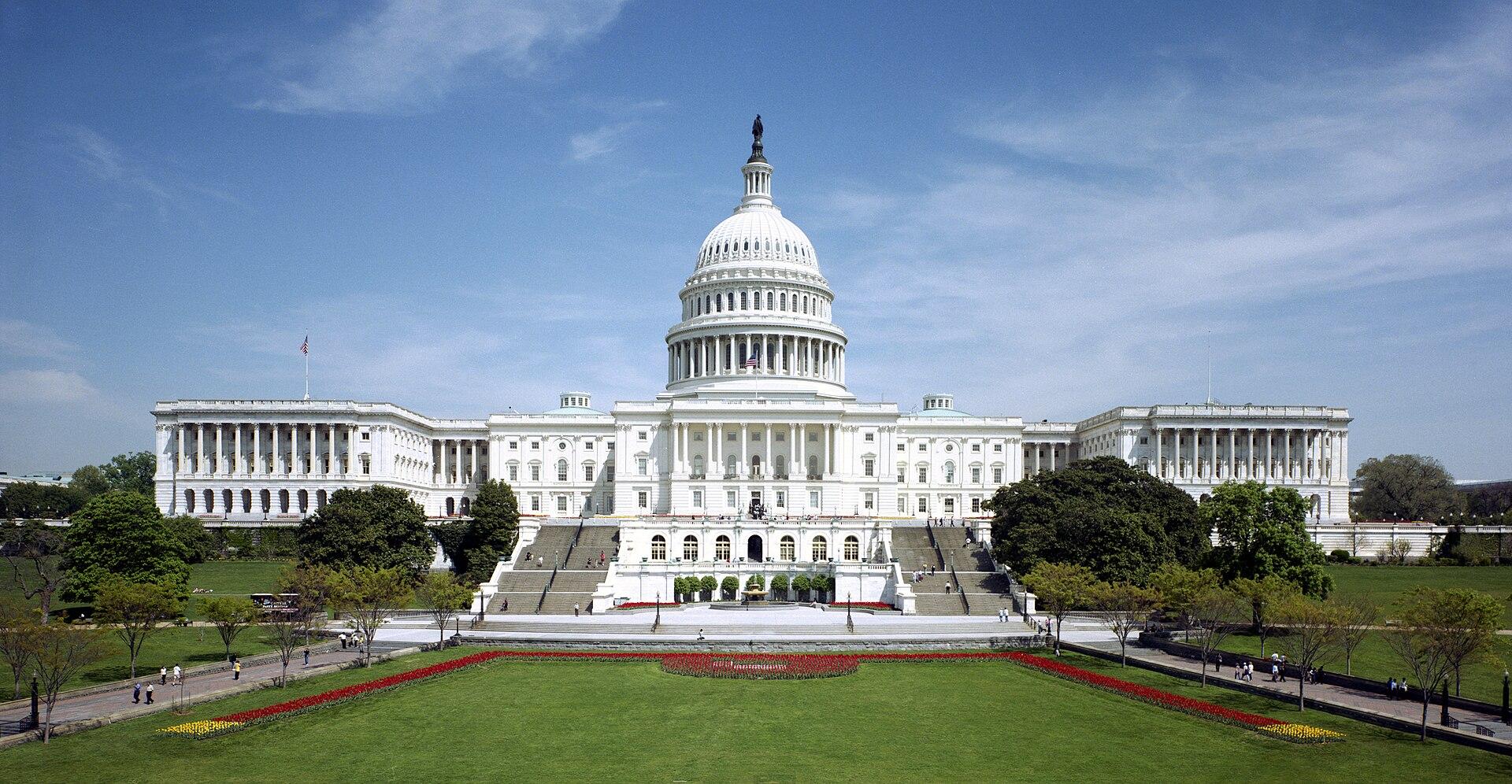
Senate Passes Bill Banning Bets on War and Death on Federally Regulated Prediction Markets. The House Is Next
With no senator objecting, the Senate on Thursday passed the DEATH BETS Act by voice vote. It would bar exchanges registered with the Commodity Futures Trading Commission from listing contracts on terrorism, assassination, war, U.S. military operations or a person's death. A federal rule already bans some of these; the bill would write a broader ban into law.
The Overview
The facts, straight
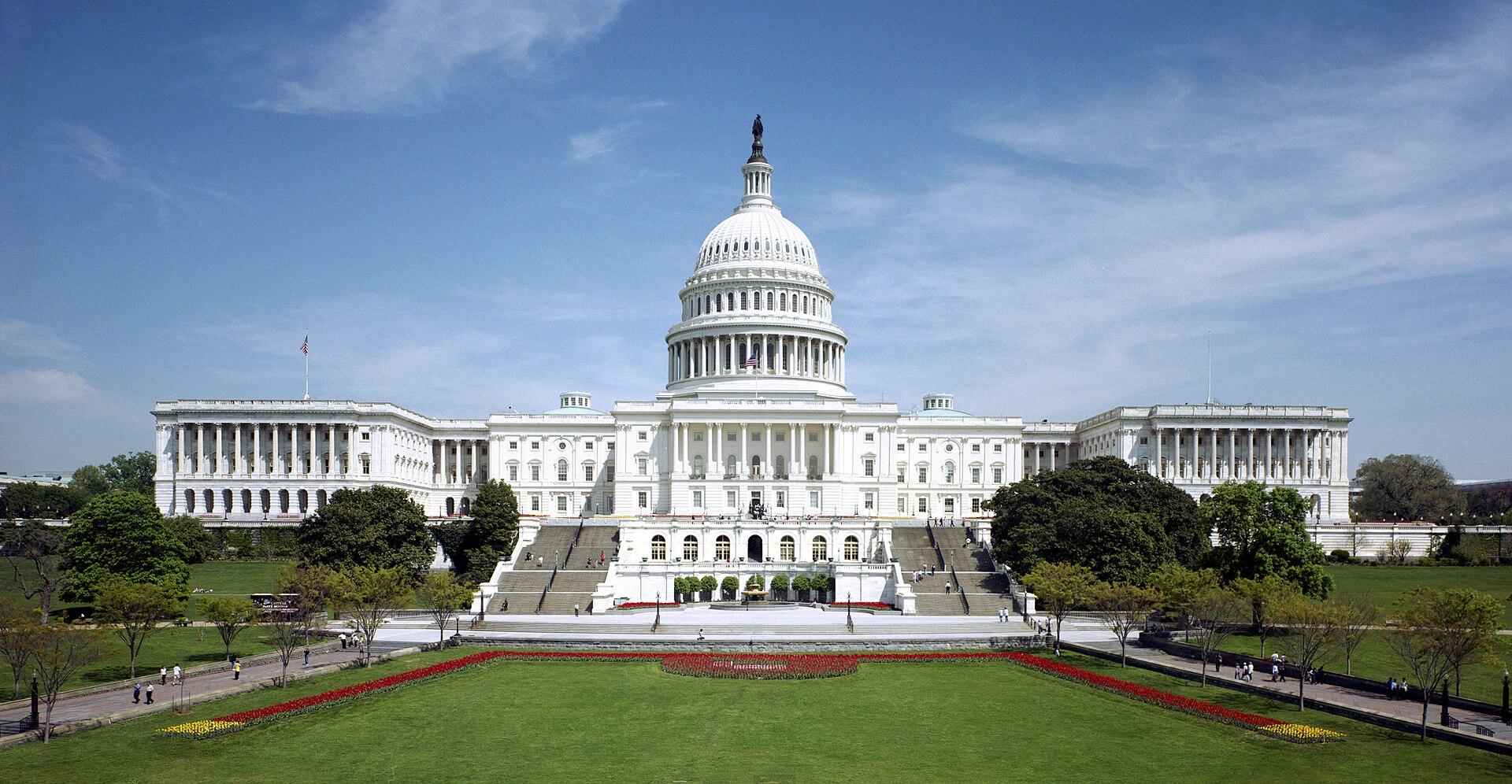
The Senate on Thursday evening passed a bill that would ban bets on war, terrorism, assassination, U.S. military operations and individual deaths on federally regulated prediction markets such as Kalshi. It passed by voice vote, with no senator objecting, according to the Congressional Record and the Senate Daily Press, which logged the passage at 6:47 p.m. ET. A voice vote isn't a recorded roll call, so there's no tally of how each senator stood.
The bill is S. 4035, the Discouraging Exploitative Assassination, Tragedy, and Harm Betting in Event Trading Systems Act, or DEATH BETS Act. Democrat Adam Schiff of California introduced it in March, and Republican John Curtis of Utah signed on as its only cosponsor in September (Congress.gov).
How it passed. The bill had sat in the Agriculture Committee, which oversees the Commodity Futures Trading Commission. On Thursday, Schiff asked unanimous consent to discharge the committee and take up the bill. Nobody objected. The Senate then adopted, without objection, a Schiff-Curtis amendment that rewrote the bill's main section and added a new one, and passed the bill as amended.
What the passed text says. Under the version the Senate passed, a "registered entity," the law's term for CFTC-registered exchanges and clearinghouses, could not list for trading or accept for clearing:
- a contract that "expressly references" terrorism, assassination, war, U.S. Armed Forces military operations, or a similar activity the CFTC defines by rule; or
- a contract that, at the time it's listed, "is reasonably expected to resolve principally based on a death of an individual."
That's narrower than the bill Schiff introduced, which would have covered any contract that "involves, relates to, or references" those subjects, or that "could otherwise be construed as correlating closely to an individual's death." The amendment added military operations and a "rule of construction" saying the bill doesn't change the legal status of other kinds of event contracts, such as those involving gaming.
What's already on the books. A CFTC rule, 17 CFR 40.11, already bars registered exchanges from listing contracts that involve, relate to or reference terrorism, assassination, war, gaming or unlawful activity. The bill would put a ban on war, terrorism and assassination contracts into the statute itself, where the agency couldn't change it on its own, and add military operations and deaths.
The court fight in the background. A day earlier, a divided panel of the U.S. Court of Appeals for the Fourth Circuit ruled against Kalshi in its fight with Maryland's gaming regulators over sports contracts (opinion; docket on CourtListener). The court upheld a lower court's refusal to block Maryland from enforcing its gambling laws. Judge Roger Gregory found federal commodities law doesn't clearly override the state's gaming laws; Judge Stephanie Thacker found Kalshi's sports contracts aren't "swaps" under federal law; Judge DeAndrea Benjamin dissented, saying they are swaps under the CFTC's exclusive jurisdiction. That case is about sports contracts, not war or death bets, and Schiff said on the floor that the DEATH BETS Act is meant to have "no effect whatsoever" on such litigation.
What's next. The bill goes to the House. If the House passes the same text, it goes to President Donald Trump. Congress.gov showed no House action as of midday Friday.
What the Left Says
The progressive and Democratic case
Schiff, who led the bill, made the case on the Senate floor that prediction markets are "operating in a Wild West desperately in need of regulation and guardrails." He said "betting and profiting off of death, both in tragedy and in war, is immoral and ought to be unlawful," and that such markets "create rampant opportunities for insider trading" and are offered "with no regard for national security."
He cited what he described as real examples: markets on whether the Artemis II mission would explode, on whether Nicolás Maduro would be removed from power, on whether a Ukrainian town would fall to Russia, on wildfires, and on "every twist and turn in the war with Iran, sometimes with inside information." Those are his descriptions; we didn't independently confirm each market or any insider trading.
Schiff also went after the regulator. He said the CFTC "is not only hands-off, he is acting as a legal infantry for the industry," a reference to the agency's chairman, and accused the agency of trying to preempt state laws. That's his allegation. We found no CFTC response on the agency's own X account.
Where Reality Likely Sits
Radio Purple's analysis
- No senator objected, but it wasn't a recorded unanimous vote. It passed by voice vote after unanimous consent requests. That suggests little organized Senate opposition, but there's no roll call.
- It's narrower than the introduced bill. The passed text covers contracts that "expressly reference" the listed subjects, or that are expected to turn mainly on a person's death. Contracts that touch those subjects less directly could still be argued over, and the CFTC could add "similar" activities by rule.
- Much of this is already banned by regulation. The bill's main change is to put the ban into law, so a future CFTC couldn't loosen it, and to add military operations and deaths.
- It doesn't settle the sports-betting fight. Its sponsors wrote it to stay out of the court cases over sports contracts, including the one Kalshi just lost in the Fourth Circuit.
- It isn't law yet. The House has to act. We'll update this story when it does.
What the Right Says
The conservative and Republican case
The bill's Republican cosponsor made a similar moral case. "There should be no financial incentive to profit from terrorism, war, or from the death of another human being," Curtis said on the floor. He said prediction markets "are seeking to blur the lines between legitimate financial markets and outright gambling," and that the substitute amendment makes clear the bill "does not change existing law governing other event contracts." Curtis's office hadn't posted about the bill on X as of our check Friday.
No Republican objected to taking up or passing the bill, but a voice vote doesn't show whether any opposed it.
The other side of the argument comes mostly from the industry and its court fights, not from senators. In the Maryland case, Kalshi argued that because it operates as a federally designated exchange, its contracts fall under the CFTC's "exclusive jurisdiction," according to the Fourth Circuit's opinion. As of our check Friday, Kalshi, Polymarket and the CFTC hadn't posted any statement about the bill on their own X accounts, so we can't say how they view this specific ban.
Sources & Citations
- Congress.gov, “S.4035 - DEATH BETS Act: actions and cosponsors”, November 19, 2026.
- Congress.gov, “S. 4035, as passed by the Senate (engrossed text, PDF)”, November 19, 2026.
- GovInfo, “S. 4035, as introduced”, March 10, 2026.
- Congressional Record (GovInfo), “Discouraging Exploitative Assassination, Tragedy, and Harm Betting in Event Trading Systems Act (Congressional Record, S5794-5795)”, November 19, 2026.
- U.S. Senate Daily Press, “Thursday, November 19, 2026 (floor log)”, November 19, 2026.
- eCFR, “17 CFR 40.11, Review of event contracts based upon certain excluded commodities”, November 20, 2026.
- CourtListener, “KalshiEX LLC v. Martin, No. 25-1892 (docket)”, November 18, 2026.
- U.S. Court of Appeals for the Fourth Circuit, “KalshiEX LLC v. Martin, No. 25-1892 (published opinion, PDF)”, November 18, 2026.
Positions above are attributed to the public statements and published reporting cited here. Quotations are taken from these sources; Radio Purple does not publish unattributed or invented quotes. See an error? Request a correction.